Everything About The Micro Mini Highland Cow Breed Traits
Homesteaders have plenty of small cattle options to choose from these days, but the micro mini highland cow keeps coming out on top as the smallest, most searched for category. Same shaggy coat, same gentle eyes, same sweeping horns as the full sized version, just packed into a much smaller frame. That combination is exactly why it’s become the go-to pick for small properties that want the breed’s whole personality without needing acres of land to make it work.
This guide gets into what actually separates this size tier from the other minis, realistic expectations on size, temperament, cost, and care, plus the questions worth asking before you bring one home.
Understanding the Micro Mini Highland Cow Category
Not every small Highland gets sorted the same way. Breeders generally split these cattle into size tiers, and micro mini sits right at the bottom of that scale.
Size Classification Explained
Mini Highlands typically fall into three groups: standard minis, mid size minis, and micro minis, based on height once fully grown.
A micro mini generally matures under 36 inches at the hip. Noticeably smaller than a standard mini, which lands in the 36 to 42 inch range.
How Breeders Achieve Smaller Size
Getting to this size isn’t a shortcut. It takes several generations of deliberate breeding. Careful selection of smaller parent stock across multiple generations. Verified height records from both sire and dam whenever they’re available. Health screening to avoid breeding practices that compromise structural soundness.
Since it takes real time and real genetics to reach this size, reputable breeders can usually hand over documentation on parent height and growth history without hesitation.
You will also see this size marketed under flashier names online. Our guide to the teacup mini highland cow breaks down why that particular term is not an official classification, even though it points at roughly the same small animals.
Size Weight and Appearance
Even at a fraction of standard cattle size, this category keeps every visual trait that made the breed famous in the first place.
Height and Weight at Maturity
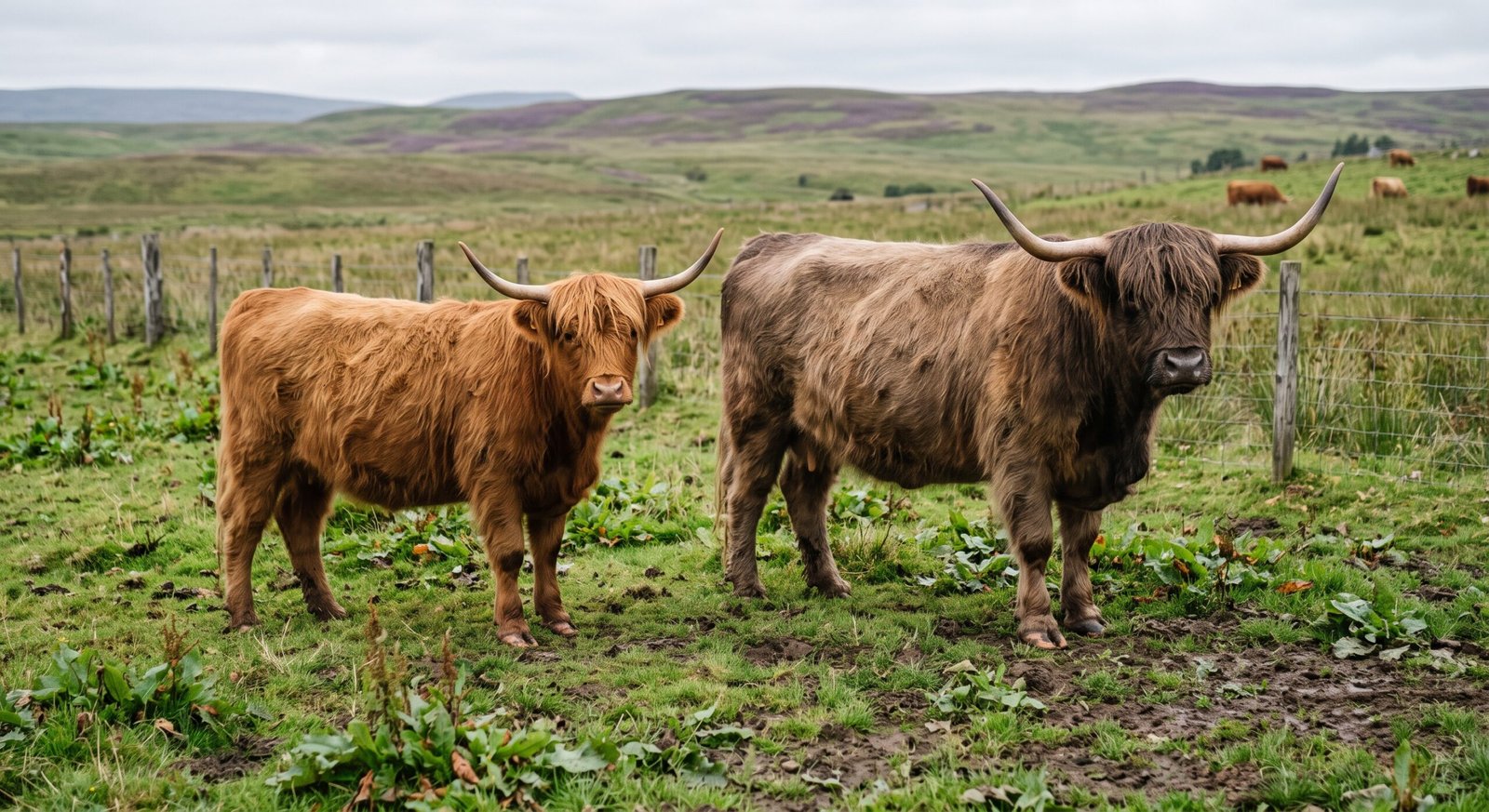
Numbers shift a bit by breeder and bloodline, but the general ranges stay pretty consistent. Mature height generally falls under 36 inches at the shoulder or hip. Mature weight commonly runs somewhere between 300 and 500 pounds. Some individually verified animals land outside these ranges depending on genetics.
There’s no single universal weight standard for this category, so asking a breeder for actual parent measurements beats trusting a marketing term any day.
Coat Colors and Physical Features
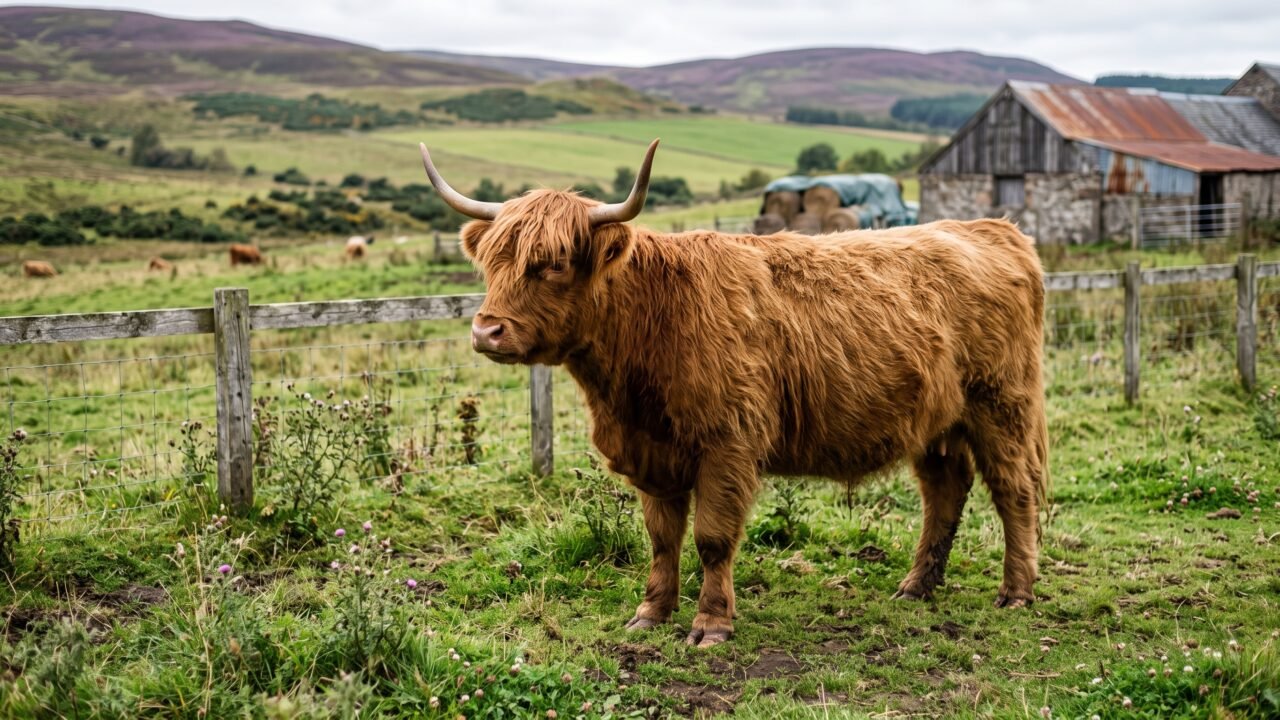
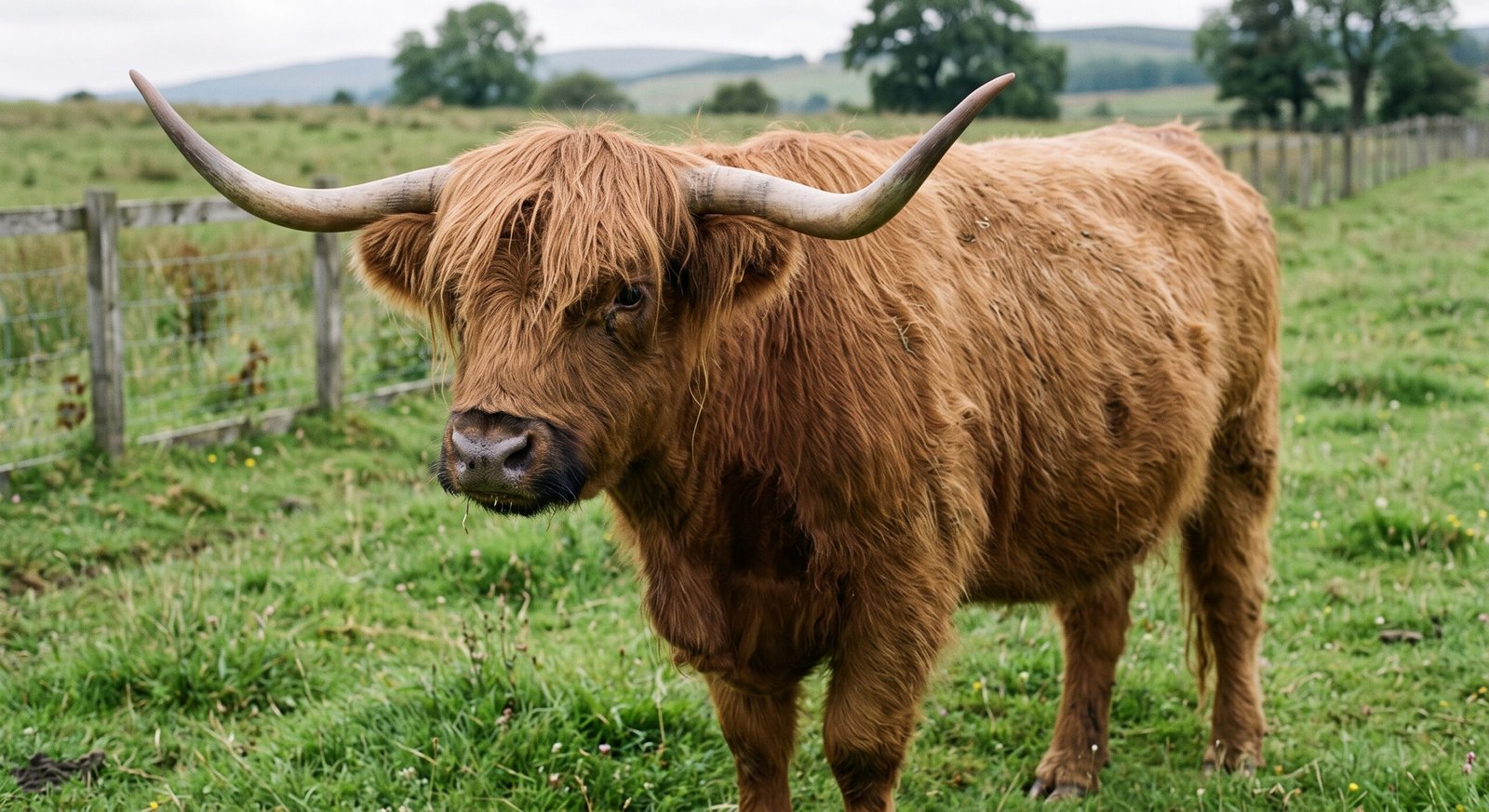
The coat stays just as thick and weather resistant as it is on the full sized version, same double layer structure built for cold protection. Common colors include red, black, dun, yellow, silver, and white, and most carry that same long forelock hanging over the eyes.
Temperament and Everyday Behavior
Big dramatic horns, but don’t let that throw you off. This size tends to be just as calm and people oriented as its larger relatives. Sometimes even more so, honestly, just because they’re easier to handle.
A Gentle and People Friendly Nature
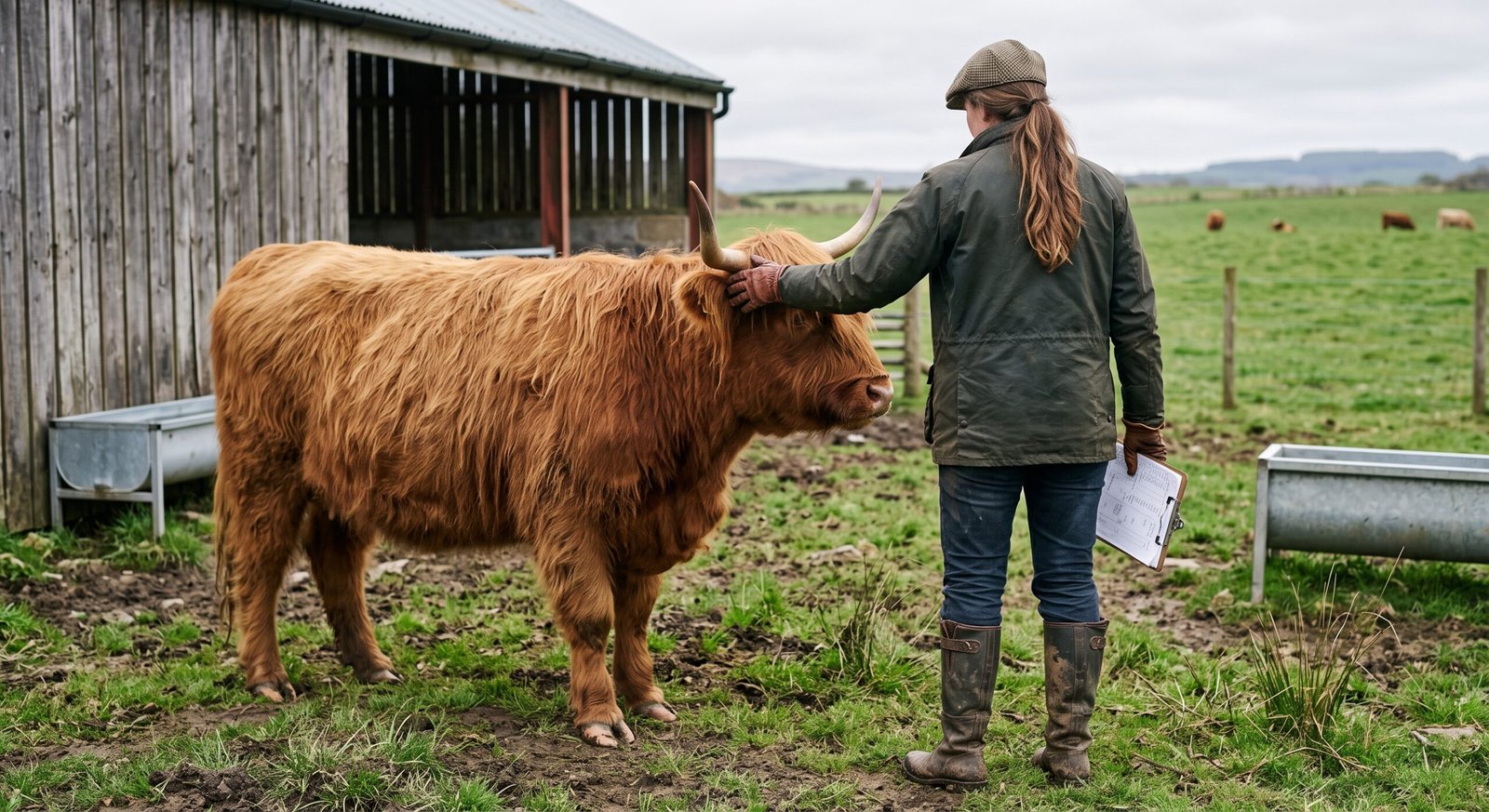
Regular handling starting young tends to produce a curious animal that’s food motivated and comfortable around people. And the smaller size means routine handling is a lot less physically demanding on the owner too.
Life Within a Small Herd
These are social animals. They generally do best with at least one companion of their own kind. Leave one isolated without company and you’ll likely start seeing stress and behavioral issues creep in over time.
Land Diet and Daily Care
Smaller size means smaller land and feed needs compared to standard cattle. Pretty straightforward tradeoff.
How Much Space Is Needed?
A lot of owners manage one animal comfortably on roughly a third to a half acre of decent pasture, though it still depends on forage quality and climate. Rotational grazing keeps pasture healthy even on smaller plots.
Feeding Requirements
Diet needs mirror standard Highland cattle, just scaled down.
- Pasture grass and hay should make up most of the daily diet.
- Mineral supplements formulated for cattle cover the nutritional gaps.
- Fresh water needs to stay available at all times, especially through winter.
Thanks to their smaller frame, these animals eat noticeably less than standard minis, which adds up to real savings on annual feed costs.
Cost and Buying Considerations
This tends to be the most expensive size category in the whole Highland breed, mostly because of how long the breeding process takes to get here.
Typical Price Range
Prices swing widely depending on breeder, bloodline, and documentation. Most buyers report paying somewhere between three thousand and fifteen thousand dollars, and premium verified lines can climb even higher than that.
What to Check Before Buying
- A few checks go a long way toward avoiding disappointment or overpaying for something that won’t stay as small as promised.
- Ask for documented height measurements of both parent animals. Request registration papers and vaccination or health records. Visit the farm in person whenever you can.
- If a price seems unusually low, or a breeder won’t share parent measurements, treat that as a red flag.
Health and Lifespan
Smaller size doesn’t seem to shorten this breed’s naturally long lifespan, as long as the animal is bred and cared for responsibly.
General Hardiness
This size category holds onto the same cold hardy, low maintenance nature as full sized Highland cattle, thanks to that same dense double coat. Genetics still matter a lot here for overall structural health, which is part of why responsible breeding actually counts for something.
Routine Care Needed
Basic preventive care stays pretty much the same no matter the size.
- Annual veterinary checkups and standard cattle vaccinations.
- Hoof trimming roughly every six to twelve months.
- Deworming on whatever schedule your local vet recommends.
With consistent care, plenty of animals in this size category live fifteen to twenty years or more, right in line with the broader breed.
Frequently Asked Questions
How small do they actually get?
Most mature under 36 inches at the shoulder or hip. Weight commonly falls between roughly 300 and 500 pounds depending on genetics.
How much do they typically cost?
Prices commonly range from around three thousand to fifteen thousand dollars. Verified small bloodlines with documentation tend to sit at the higher end.
How much land do I need?
Many owners manage comfortably on a third to a half acre per animal. Exact needs depend on pasture quality and local climate.
Are they good with kids?
Generally yes, especially with regular gentle handling from a young age. As with any horned animal, supervision around children is still recommended.
How long do they usually live?
With proper care, many live fifteen to twenty years or more. This matches the typical lifespan of the broader Highland breed.
Conclusion
The micro mini highland cow gives you the same rustic charm and gentle temperament as the full sized breed, just in a footprint small enough for even a modest property. Get a realistic handle on size, cost, and what responsible breeding actually looks like before you buy, and you’ll end up with a healthy animal and an ownership experience that’s genuinely worth it.