What Makes the Fainting Goat Unique and How to Manage Them
At our farm, the fainting goat is one of the most unusual breeds we work with. Most people recognize it because its muscles stiffen, but there is a lot more to this breed than that one trait. The fainting goat is one of the few goat breeds that originated in the United States, and it can vary quite a bit in size, color, coat, and strain.
If you’re thinking about raising one, it helps to know where the breed came from and how its different types developed. This guide covers its history, strains, size, colors, physical features, temperament, breeding, feeding, and everyday care.
Where the Fainting Goat Actually Came From
The history of the breed goes back to the 1880s. An itinerant farm worker named John Tinsley, reportedly from Nova Scotia, arrived in central Tennessee with four unusual “stiff” goats. He later sold them and their offspring to Dr. H.H. Mayberry, who began breeding them to preserve the unusual trait.
Farmers soon noticed that the goats’ muscles stiffened when they were startled, which made them easier to catch. They were also less likely to climb or jump over fences. During the 1930s and 1940s, the goats reached Texas, where breeders began selecting larger, more heavily muscled animals for meat production.
The breed eventually became rare enough to be added to the Livestock Conservancy’s Conservation Priority List in 1988 as officially endangered. Its worldwide population is still estimated at fewer than 10,000 animals.
The Different Types and Strains of the Fainting Goat
These goats can differ in size and appearance because they developed as a local landrace rather than a tightly standardized breed. Different lines may be suited to breeding, meat, companionship, or keeping a traditional line.
Traditional Tennessee Strain
Traditional Tennessee lines tend to be smaller and generally look closer to the original foundation animals.
Texas Meat Goat Strain
During the 1950s, Texas breeders selected larger, heavily muscled goats for meat production. This produced a bigger type sometimes marketed as the Tennessee Meat Goat or Texas Wooden Leg.
Miniature Silky Fainting Goat
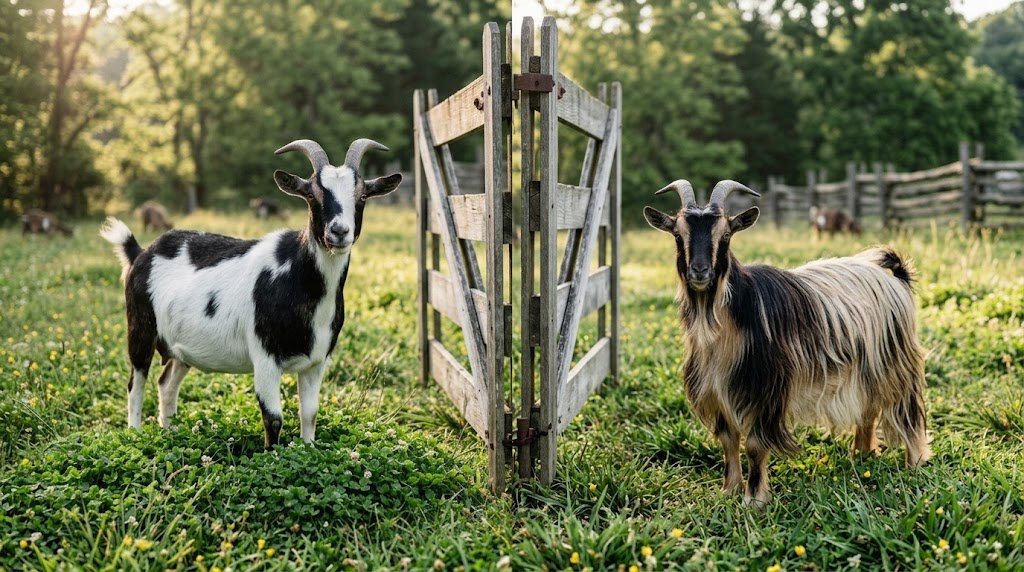
The Miniature Silky Fainting Goat is a newer type. Its development began in 1998 by crossing long-coated fainting bucks with Nigerian Dwarf does carrying fainting genetics. The result was a smaller goat with long hair. The Miniature Silky Fainting Goat Association was established in 2005.
Size and Weight
These goats can vary quite a bit in size depending on their strain, sex, genetics, and individual growth.
- Overall height commonly ranges from 17 to 25 inches at the shoulder.
- Does can weigh between 60 and 175 pounds.
- Bucks commonly weigh between 80 and 200 pounds.
- The Texas meat strain tends to produce heavier animals.
- Growth can be somewhat slower than in some other meat goat breeds.
Colors and Coat
One thing that stands out about these goats is their wide range of colors and patterns. Kids can sometimes look very different from their parents.
Common Colors and Patterns
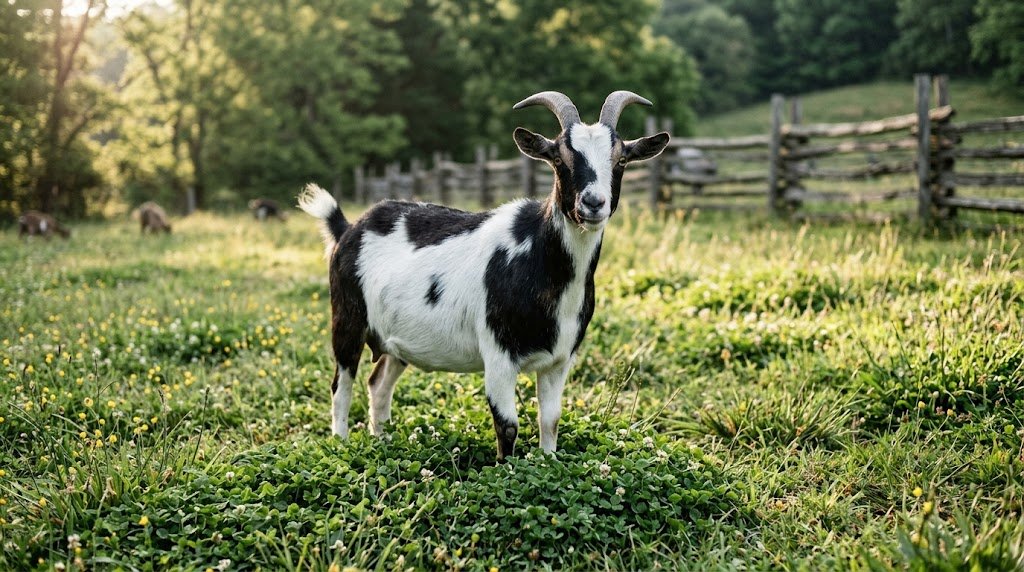
Black and white was favored by some early Tennessee breeders and is still commonly seen. Other goats may be solid black, white, red, or brown, or have tri-colored, spotted, or pointed patterns.
Coat Length and Texture
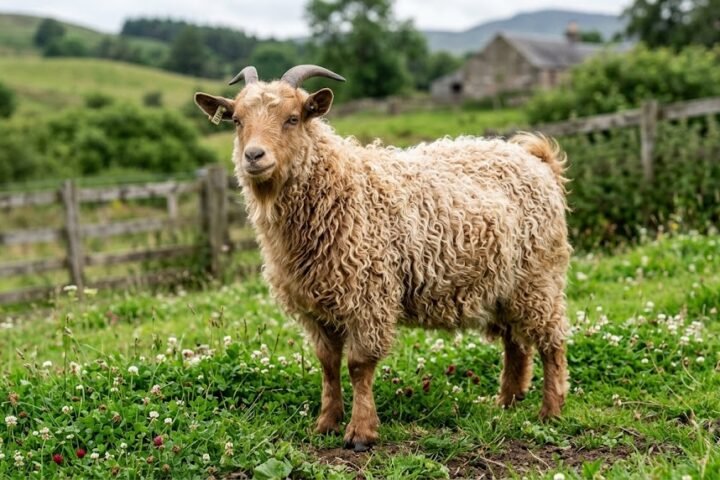
The coat can be short and smooth or long and shaggy. Some goats also develop a soft, cashmere-like undercoat. The Miniature Silky type is especially noticeable because of its long, flowing hair.
Physical Traits Beyond the Fainting
There are several features that can help you recognize these goats:
- The body is usually broad and muscular, with strong shoulders and a wide back.
- The eyes are large and prominent and are sometimes called “bug-eyed.”
- The muzzle is broad, with a noticeable jawline.
- The ears are normally sized and carried close to the face.
- Both horned and naturally polled goats occur.
Temperament and Behavior
These goats are commonly described as calm and quiet. With regular handling, they can become friendly and social, which is one reason some owners keep them as companions as well as for meat.
A Gentle, Manageable Breed
These goats are generally docile and sociable. They also tend to stay on the ground rather than constantly climbing and jumping, which can make them easier to contain than some more athletic goat breeds. Good fencing is still important.
A Real Predator Risk Worth Knowing
During a myotonic episode, a startled goat may temporarily have trouble moving normally. This can make it harder to escape from a predator. Secure fencing, protected housing, and good predator management are therefore important.
Breeding and Reproduction
These goats are considered productive and relatively easy breeders. Does are generally attentive mothers and commonly have twins or triplets. Some lines may breed for much of the year.
Kids are usually active and begin nursing soon after birth. Larger litters of four or five may sometimes need supplemental feeding if the doe cannot provide enough milk.
Land, Diet, and Daily Care
These goats are hardy, low-input animals and active foragers.
- Goats are social herd animals, so plan on having at least two.
- Good pasture and quality hay should provide most of their food.
- Their browsing can help control weeds and brush.
- Provide goat-specific minerals and fresh water at all times.
- Regular veterinary care, vaccinations, parasite management, and hoof care are important.
- Hooves commonly need trimming every six to eight weeks.
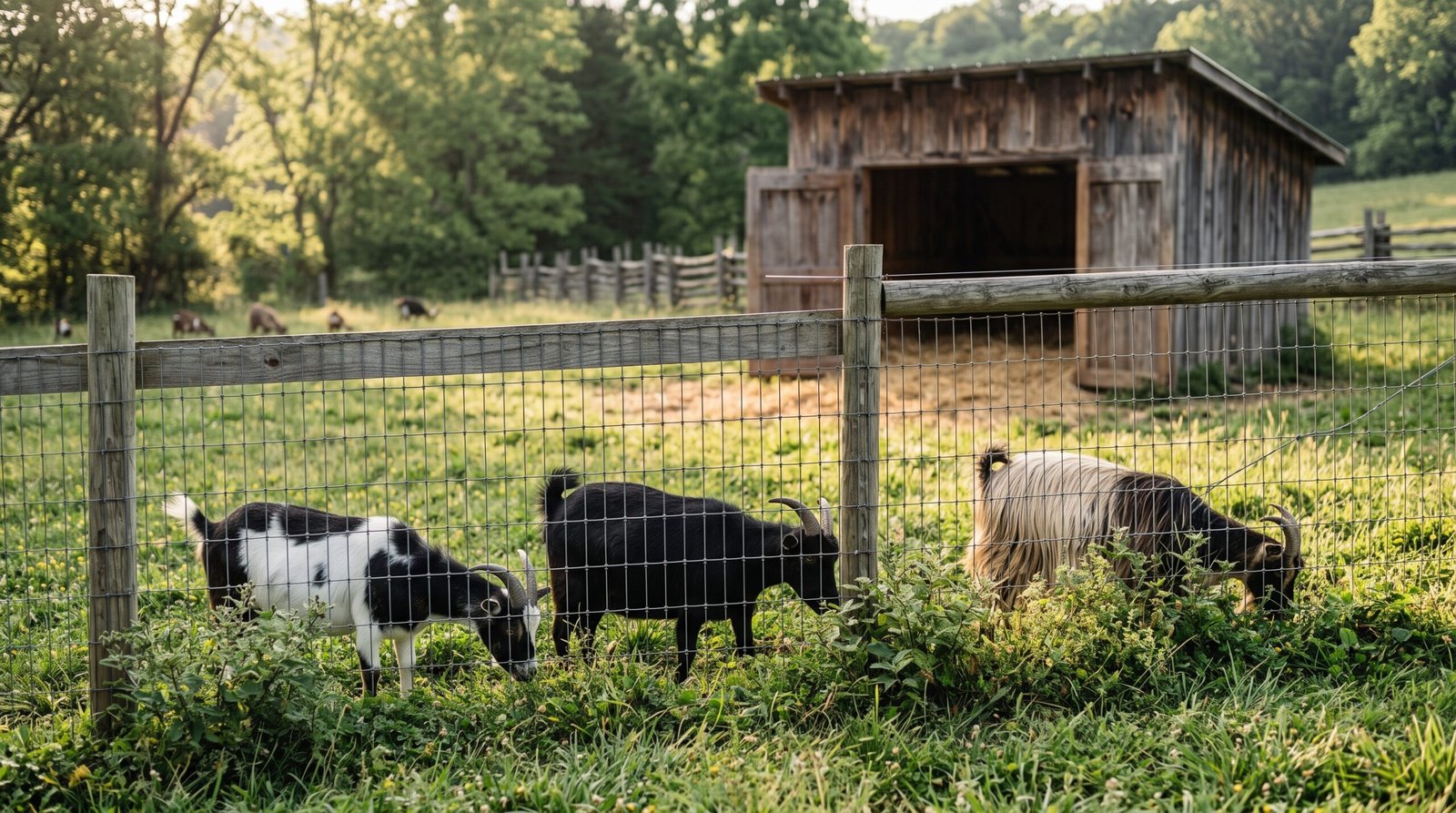
- Secure housing at night is especially important because stiffening episodes can leave them vulnerable to predators.
Cost and What Drives It
Prices can vary because the breed is rare and includes different strains and types. An unregistered kid commonly costs around $100 to $300, while well-documented breeding animals can cost considerably more.
Color, coat length, body structure, muscle development, breeding potential, and documented lineage can all affect the price. Registration through an organization such as the Myotonic Goat Registry may also add value for breeding stock.
Frequently Asked Questions
Do fainting goats actually faint?
No. They remain conscious during an episode. Their muscles temporarily become stiff because of myotonia congenita, which can cause them to lose balance and fall over.
What is the difference between a Myotonic goat and a Miniature Silky Fainting goat?
The Miniature Silky is a specific modern type developed by crossing fainting bucks with Nigerian Dwarf does carrying fainting genetics. It is smaller and has a long, flowing coat.
How big does a fainting goat get?
Size varies by strain. Does generally weigh 60 to 175 pounds, while bucks can reach approximately 200 pounds.
What colors do fainting goats come in?
They can come in almost every color and pattern, including solid, spotted, tri-colored, and black-and-white combinations.
Are fainting goats good for beginners?
They can be manageable for beginners because they are generally calm and less likely to climb and escape. However, they still need secure housing, proper nutrition, routine health care, and protection from predators.
Conclusion
The fainting goat is much more than the unusual muscle response that made it famous. It has a long history in the United States, several strains, and plenty of variation in size, color, coat, and body type.
The traditional Tennessee lines, Texas meat strain, and Miniature Silky type each have their own characteristics, giving prospective owners several things to consider.
If you’re looking for a healthy fainting goat for your own property, we work directly with verified breeders and can help you find the right type and animal for your setup. Reach out to us, and we’ll walk you through your options from start to finish.