A Complete Guide to the Teacup Mini Highland Cow
You’ve seen the video. Some tiny fluffy calf, someone’s hand on its head, comments full of heart eyes, and the caption says “teacup mini highland cow.” It’s a real look. But the name gets thrown around way more loosely than people realize, and this guide is here to clear that up. What the term actually means, what size you should really expect, and how not to pay extra just because a listing used a cuter word than the next one.
Read through this and you’ll be able to look at any listing and know what you’re actually looking at. Not just a cute name attached to a photo.
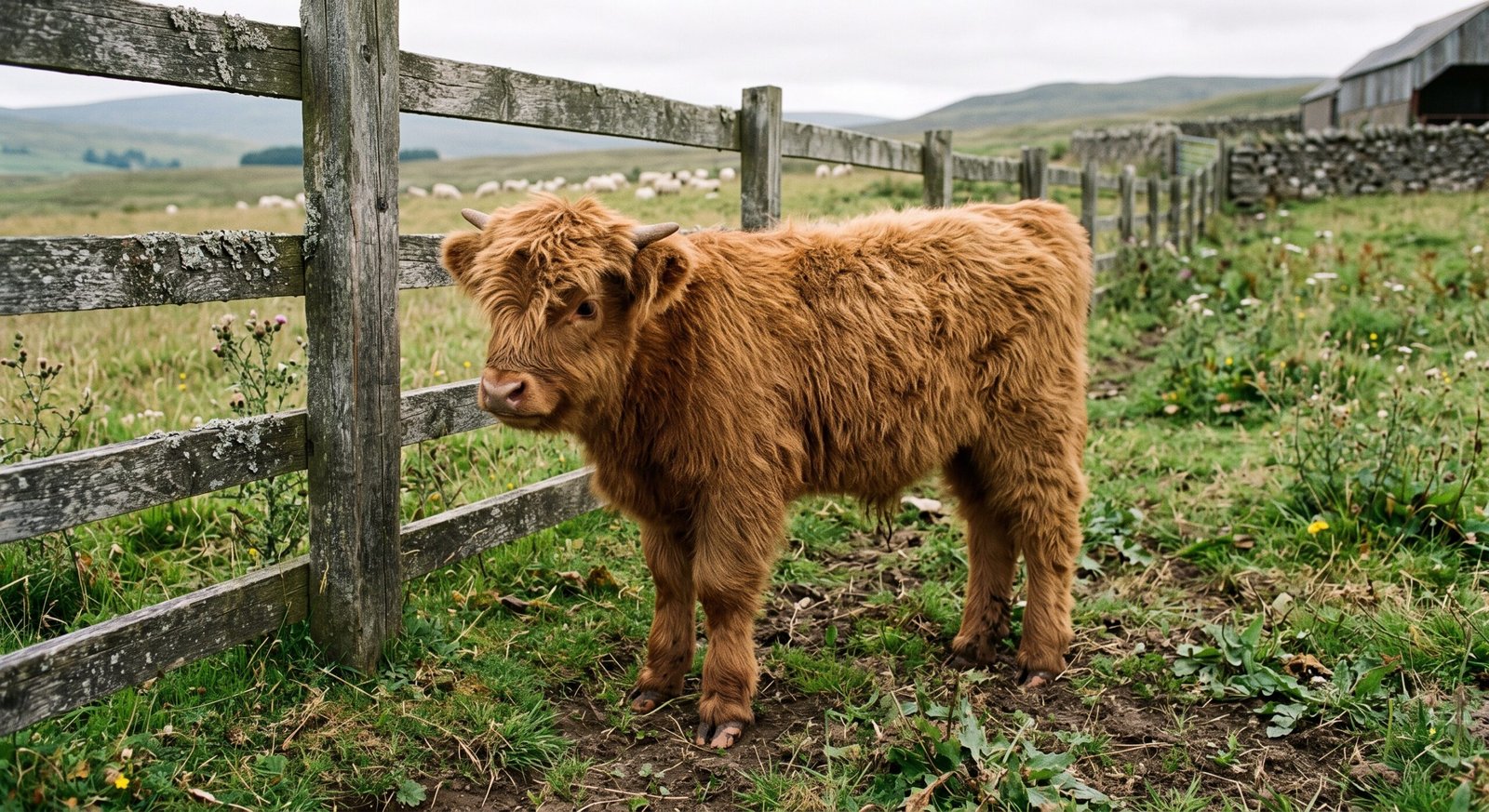
The Real Meaning Behind the Teacup Mini Highland Cow Label
It’s not a real category. That’s the short version. Miniature and micro come from actual registry standards, real paperwork, real measurements taken on real animals. Teacup doesn’t have any of that behind it. No breed association has a formal class with that name. No herd book tracks it. It’s a marketing word, plain and simple.
Where the Term Came From
Feels like it wandered in from small dog breeding. Teacup Yorkies, teacup poodles, that whole world. Somebody applied it to Highland cattle because the fluffy calf footage does numbers on video, and it stuck. It didn’t come out of agriculture at all. It came from social media and just kept getting reused.
Why It Gets Used So Often
A few reasons this keeps happening in listing after listing. Calves are just naturally tiny for the first few weeks. That’s biology, nothing to do with breeding at all. Sometimes a real miniature Highland gets a new name slapped on it because it sounds better in an ad.
And every so often, an animal has an actual health issue causing stunted growth, and that gets marketed like it’s a feature instead of a problem. So on its own, the label tells you basically nothing about how big the animal is going to end up.
Realistic Size Expectations
This is the part to actually pay attention to before you go comparing listings online.
What Adult Size Actually Looks Like
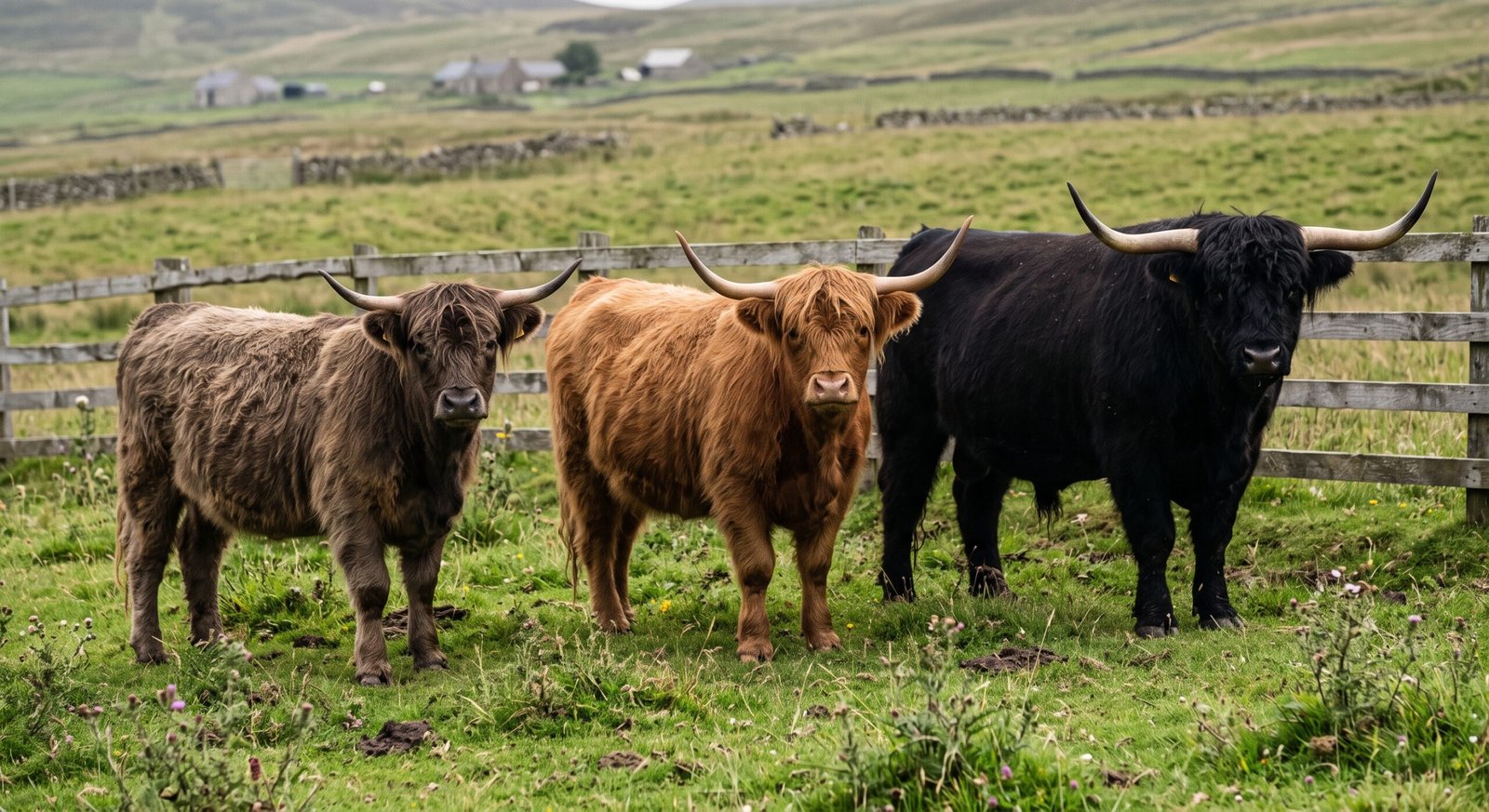
Registries use micro and miniature, not the social media name. Here is roughly where the lines fall. Micro, generally under 36 inches at the hip once fully grown. Miniature, somewhere between 36 and 42 inches. Standard Highland, 42 to 48 inches or more.
So the cutest sounding label you can find in an ad, once that animal is grown, is just a documented micro. A lot of first time buyers do not realize this until the calf they bought is already an adult.
Why Calves Look So Small at First
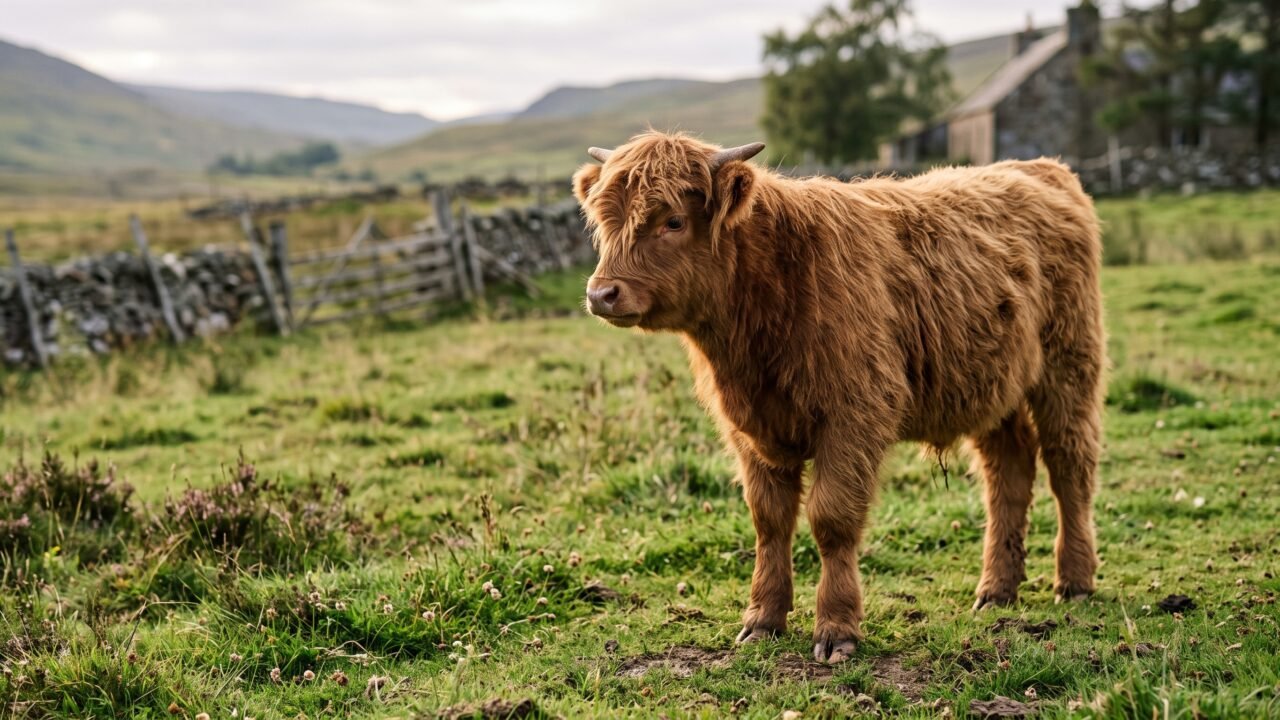
Highland calves are born small. They have the same shaggy coat as the adults right from birth, which is exactly why they look like the animals in every viral clip. Every single Highland calf goes through this phase, no matter what size it grows into later.
Smart Ways to Compare Listings
You can still end up with a genuinely small, healthy animal. It just means paying attention to paperwork instead of the name in the title.
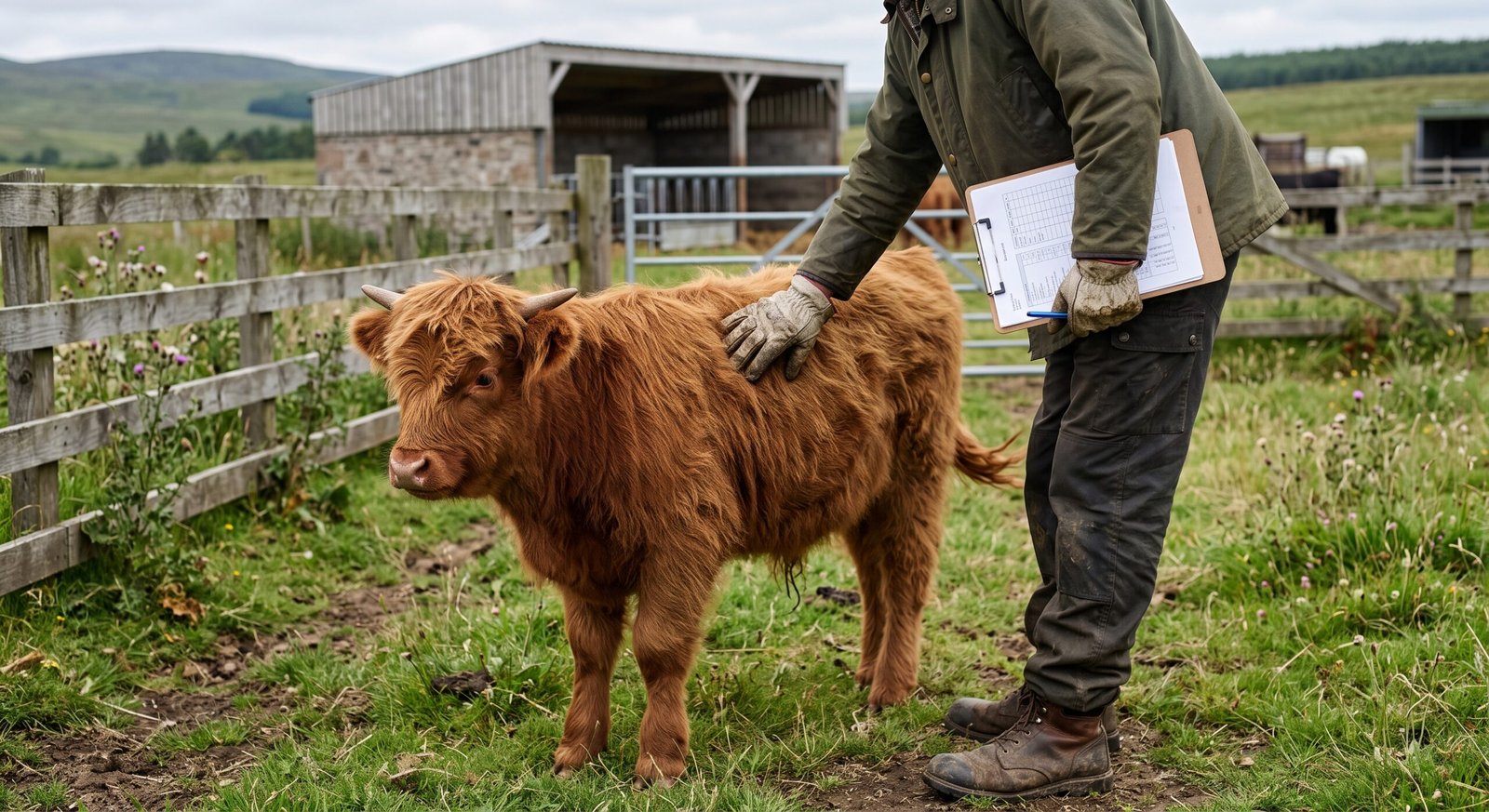
Questions Worth Asking a Breeder
A few questions tend to separate the real listings from the ones just chasing clicks.
- Ask for the documented height of both parents.
- Ask about registration through a recognized miniature cattle registry.
- Ask whether the animal is being sold as a calf or is already fully grown.
If a breeder cannot give you clear answers on these, that tells you something. It usually means they are leaning on the name instead of the genetics.
Factors Behind the Asking Price
Prices on these calves are all over the place, and a chunk of that is just the label itself adding a premium that has nothing to do with actual size.
What Typically Affects the Price
A handful of things move price more than any marketing word does.
- Documented parent height and whether registration is in order.
- Coat color and pattern, plus overall genetic quality.
- Calf versus fully mature animal.
- Local demand, and how well known the breeder is in that area.
Check a few sellers near you before deciding. Two calves that look nearly identical in photos can be priced hundreds of dollars apart, and a lot of that gap comes down to presentation, not the animal itself.
Temperament Fluffy Coat and Daily Care
Micro, miniature, or marketed under whatever trendy name, day to day care barely changes across small Highlands.
Personality and Handling
These are generally calm animals, curious and food motivated, especially once they are used to being handled regularly. The thick shaggy coat is just Highland genetics doing its thing, nothing about it is special to this one label.
Land Diet and Basic Needs
Smaller animals need less pasture than standard sized cattle, though it still comes down to how good the forage is. Quality pasture grass, hay, and mineral supplements cover most small Highlands no matter what name was on the listing when you bought it.
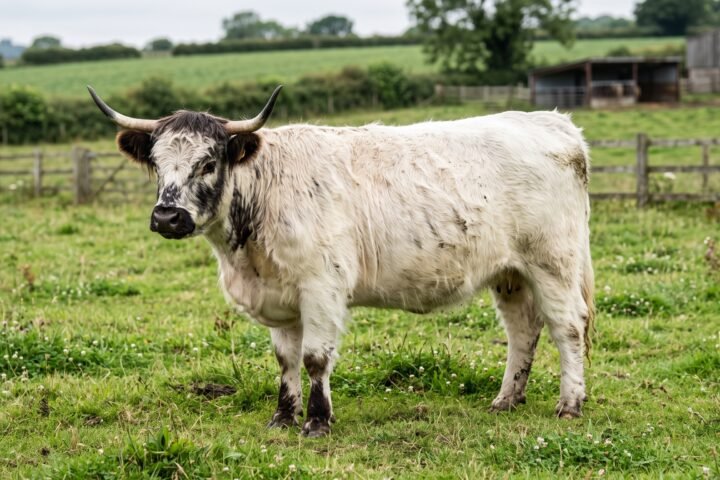
If you are weighing a similarly compact heritage option alongside this one, our guide to highpark cattle walks through another small, distinctively marked Highland cross that is worth comparing before you decide.
Frequently Asked Questions
Is This an Official Size Category?
No, it is a marketing term, not a real classification. Registries stick to micro and miniature.
How Big Do They Actually Get?
It depends on classification. It could be under 36 inches or full standard Highland height. It comes down to genetics, not whatever name was used to sell it.
Why Do Calves Look So Tiny in Videos?
Because every Highland calf is small and fluffy for its first few weeks, no matter how big it will get as an adult. That is the whole reason the viral clips look the way they do.
What Is the Typical Lifespan?
Fifteen to twenty years with decent care, about the same as any Highland. Size does not seem to change that at all.
How Can I Avoid Overpaying?
Get documented parent height, get registration papers, and find out if it is a calf or already grown. Check more than one listing before deciding, so you are not just paying for a name.
Conclusion
Teacup mini highland cow is not a real classification. It is just a catchy label stuck onto animals that are genuinely small or genuinely young. Once you know the actual size categories, know what to ask a breeder, and take the time to compare a few documented listings, you will end up with a healthy animal, and you will not have paid extra for a name that never meant anything official to begin with.