Essential Facts About The Iconic Scottish Highland Cow
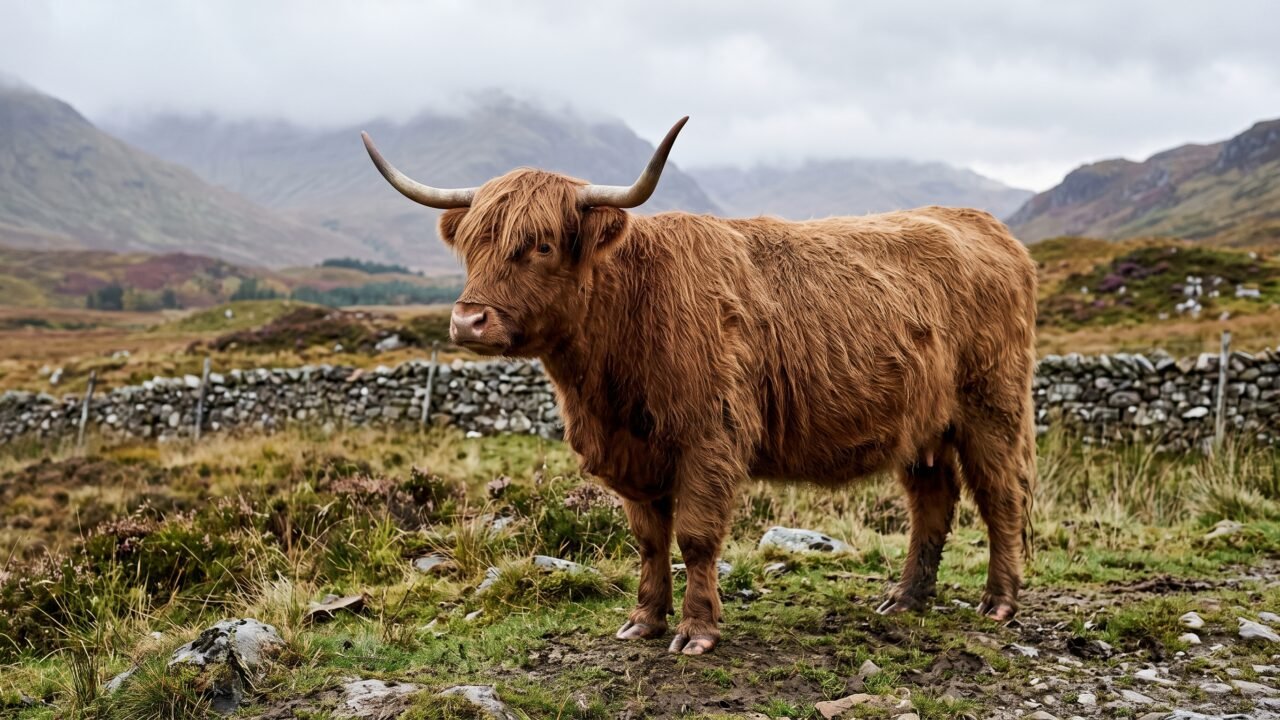
Ask someone to picture a cow with hair in its eyes, giant curved horns, and a coat that looks like it belongs on a yak, and they’ll describe a Scottish Highland cow without even knowing the name. It’s one of the most recognizable cattle breeds out there, and honestly, most of that fame is earned.
Bred originally to survive brutal Scottish weather, it’s grown into something homesteaders, hobby farmers, and plenty of people who just saw a cute photo online now want for themselves.
This guide covers where the breed came from, what it actually looks like up close, how it behaves, what it eats, what it costs, and roughly how long it lives. Whether you’re seriously considering raising one or just curious about the animal behind the viral photos, it’s all here.
Origin and History of the Scottish Highland Cow
This breed traces back to the rugged Highlands and the Outer Hebrides islands, shaped over centuries by cold wind, heavy rain, and rough terrain. Farmers kept them specifically because they could survive on sparse vegetation, in conditions that would break most other cattle breeds.
Where the Breed Took Shape
Historical records put this among the oldest registered cattle breeds anywhere, with a herd book going back to the late 1800s. Long isolation on harsh islands and highland terrain shaped nearly every trait the breed carries today.
How It Adapted to Harsh Terrain
Instead of hiding from the weather, this breed developed features built to take it head on. A dense double coat that blocks wind, rain, and snow. A tough digestive system suited to rough grazing and thin forage. Strong hooves built for uneven, rocky ground.
All of that adds up to a breed that generally needs far less intervention than commercial cattle raised somewhere milder.
Physical Characteristics and Appearance
The look is instantly recognizable, mostly thanks to the coat, the horns, and the sturdy build. And despite what social media suggests, most of these animals are medium to large sized cattle. Not small ones.
Size, Weight and Build
Size shifts noticeably between males and females, and genetics and nutrition play a role too. Cows typically stand somewhere around three to four feet at the shoulder. Mature females generally weigh between 900 and 1,200 pounds. Mature bulls run considerably bigger, sometimes 1,500 pounds or more.
Genuine miniature lines do exist, but that’s its own separate breeding project. Not the standard size for the breed. If a smaller version is what you’re after, our guide to the miniature highland cow lays out exactly how that size class differs from the standard breed covered here.
The Shaggy Double Coat and Horns
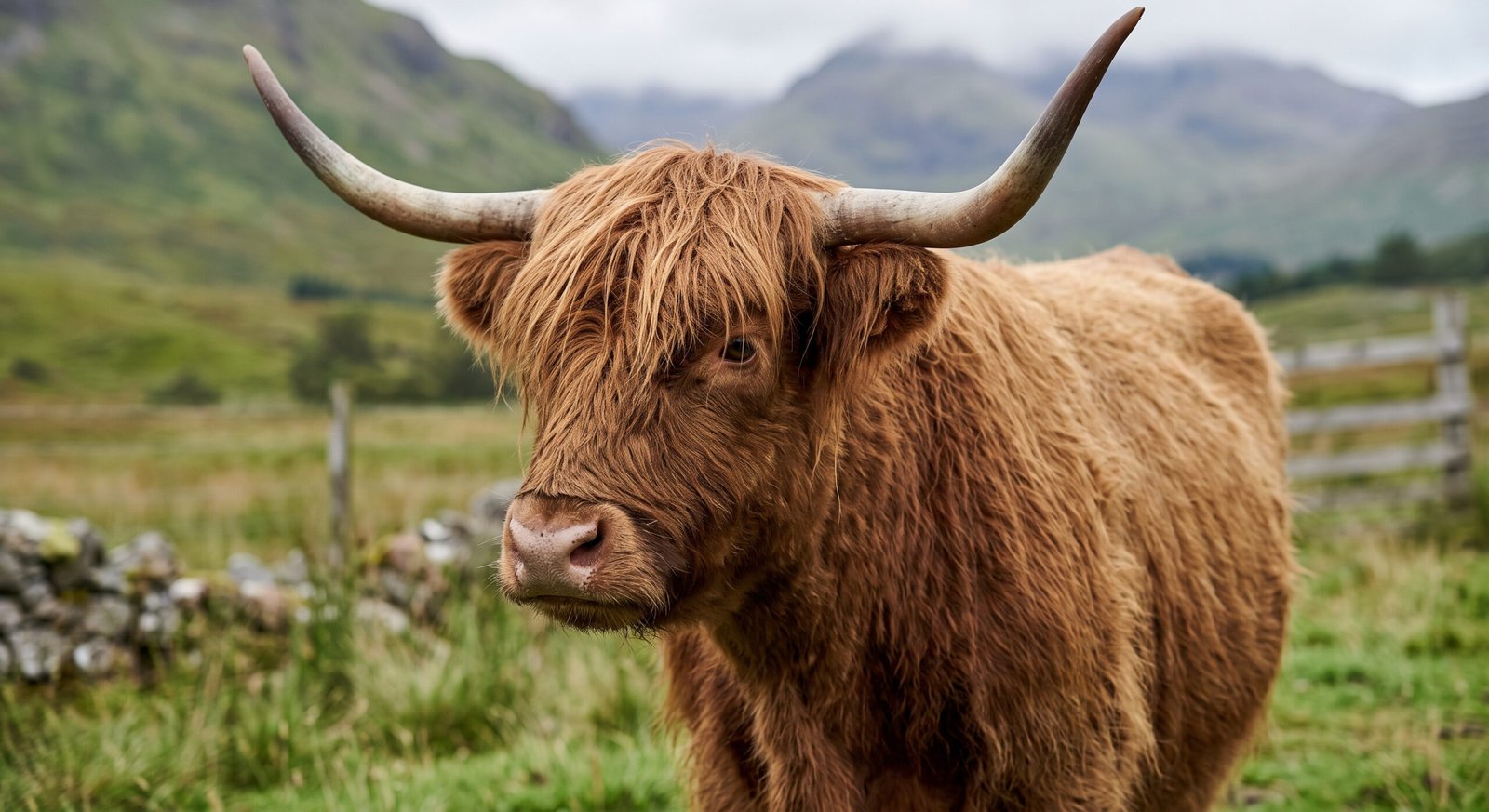
The coat has two layers. A coarse outer layer sheds moisture, and a soft undercoat traps warmth close to the skin. That combination is exactly what gives the breed its famously fluffy look, even when it’s freezing out.
Both sexes grow horns. Generally wide and upward curving on females, thicker on bulls. Coat colors run the gamut too, red, black, yellow, dun, silver, brindle.
Temperament and Behavior
Big intimidating horns aside, this breed has a reputation for being remarkably calm when handled with basic care and a bit of respect.
A Calm and Social Nature
Food motivated, curious, generally more tolerant of people than a lot of other beef breeds. They live in small herds and form real social bonds within the group.
Maternal Instincts and Herd Life
Cows of this breed are known for strong maternal instincts. Often calve without assistance, and protect their young closely. That natural mothering is a big reason small scale breeders love this breed, since it means less hands-on intervention during calving season.
Diet Grazing and Land Needs
Feeding this breed comes down to understanding it evolved to thrive on rough forage, not rich commercial feed.
What These Cattle Eat
- Grass and hay form the base of a healthy diet, with grain only used lightly when needed.
- Pasture grass and quality hay should make up most of the daily intake.
- Mineral supplements formulated for cattle fill in nutritional gaps.
- Fresh clean water needs to be available at all times, even in cold weather.
- Too much rich grain based feed can lead to unnecessary weight gain and health problems in a breed that’s built for lean forage.
Pasture and Space Requirements
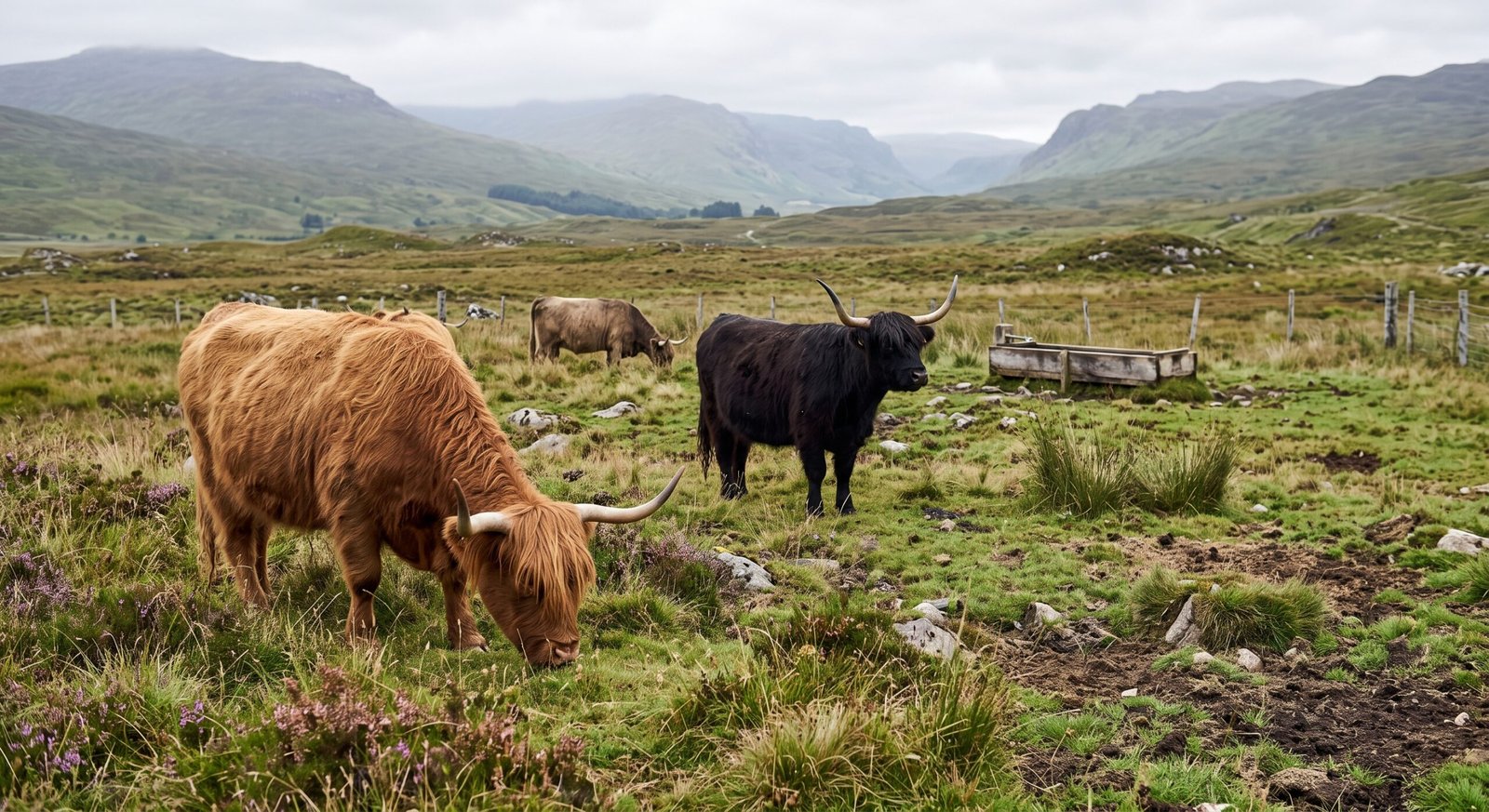
Efficient grazers, so this breed generally needs less land per animal than a lot of commercial beef breeds. Exact space still depends on pasture quality and climate though. Rotational grazing helps keep grass healthy and cuts down on soil compaction over time.
Cost and Where to Buy
Bringing one of these home means the purchase price up front, plus a handful of ongoing costs new owners should plan for.
Typical Purchase Price
Prices swing based on age, sex, pedigree, and registration status. Most buyers report paying somewhere between two thousand five hundred and ten thousand dollars, with show quality or pedigreed animals sometimes going higher. Calves usually cost less than fully mature breeding stock.
Ongoing Ownership Costs
Past the purchase price, owners need to budget for a few recurring things. Hay and supplemental feed during winter or drought. Routine veterinary care, vaccinations, and parasite control. Fencing, shelter upkeep, and occasional transport costs. Plan for these ahead of time and it saves a lot of financial stress down the line.
Health and Lifespan
Not many cattle breeds live as long as this one, and a lot of that comes down to natural hardiness and resistance to common health issues.
Natural Hardiness
Generally less prone to certain problems that affect thinner coated cattle, partly because that coat cuts down the need for artificial shelter in cold climates. Plenty of individuals live active, healthy lives well into their later years.
Routine Care Needed
Even a hardy breed needs consistent preventive care. Annual veterinary checkups and core vaccinations. Routine hoof trimming every six to twelve months. Seasonal deworming based on local veterinary guidance. With that level of care, individuals commonly live fifteen to twenty years, longer than a lot of other cattle breeds.
Frequently Asked Questions
How much does it cost to buy one?
Prices generally range from around two thousand five hundred to ten thousand dollars or more. The exact price depends on age, pedigree, and whether the animal is registered.
How big do they typically get?
Mature cows usually stand three to four feet at the shoulder. Weight generally falls between nine hundred and twelve hundred pounds for females, with bulls considerably heavier.
How long do they usually live?
With good care, individuals commonly live between fifteen and twenty years. This is longer than the typical lifespan of many other cattle breeds.
Are they safe to be around?
Yes, in general they are known for a calm and tolerant temperament. As with any large horned animal, care and respectful handling are still important.
How much land is needed per animal?
Land needs vary by pasture quality and climate, though this breed is known for grazing efficiently on rougher forage than many commercial breeds require.
Conclusion
The Scottish Highland cow has earned its place as one of the most distinctive, enduring cattle breeds around, thanks to its resilience, its calm nature, and a look nothing else quite matches. Get a real handle on its size, diet, cost, and care needs before bringing one home, and you’re set up for a smooth ownership experience for years to come.