Learn About Highpark Cattle History, Appearance, and Care
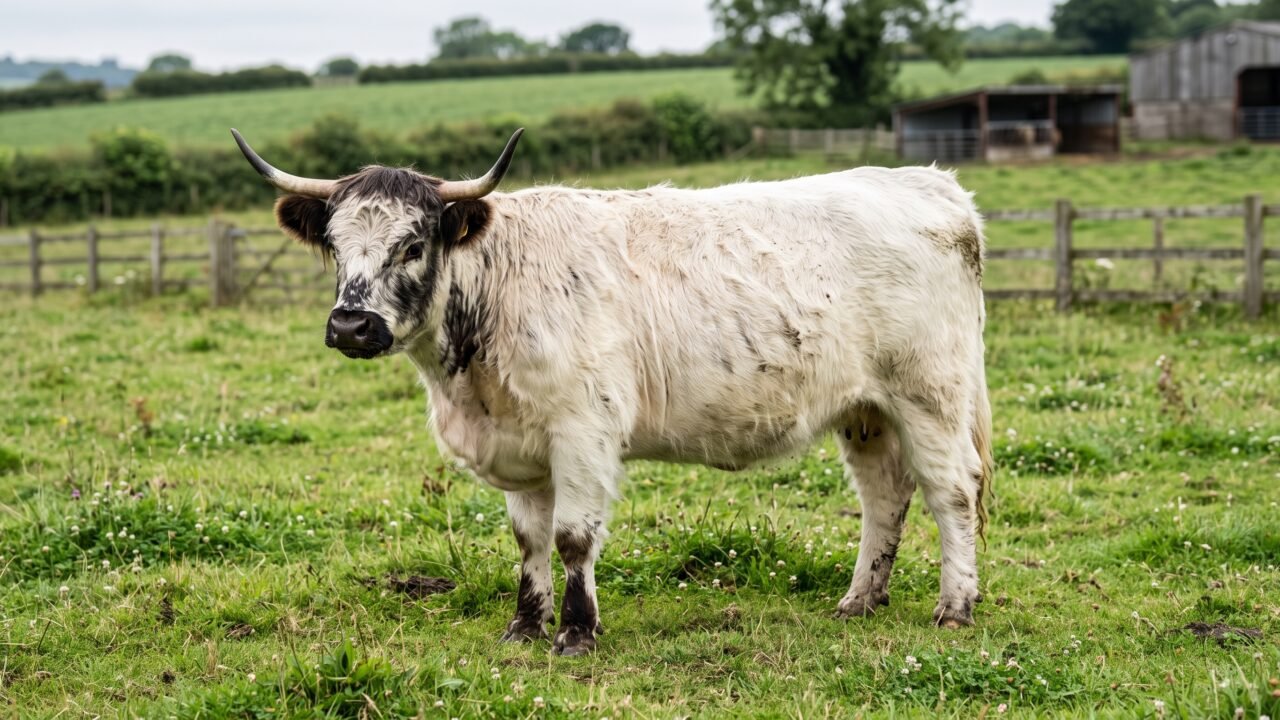
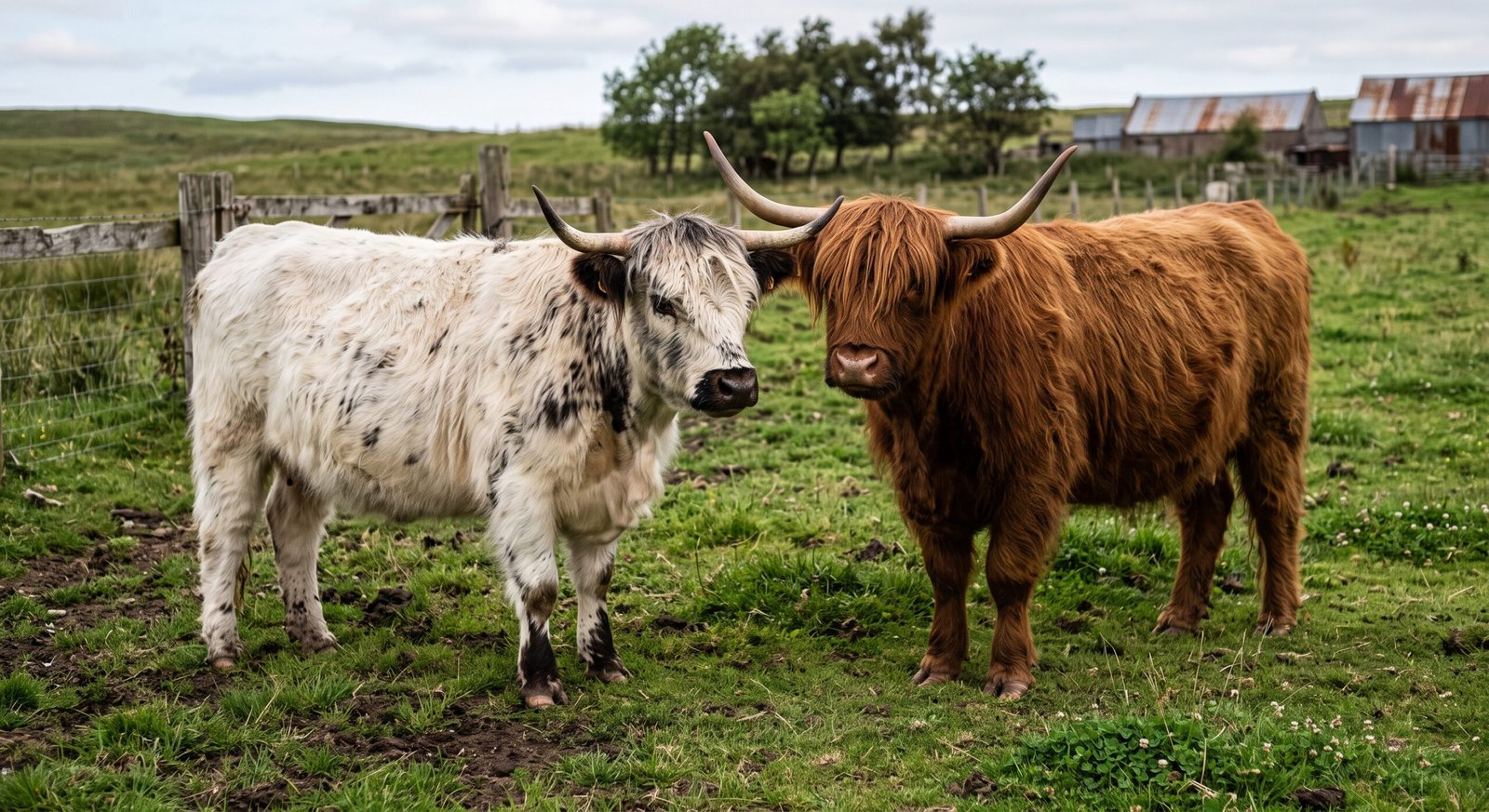
Picture a Highland cow’s shaggy coat, then imagine it painted white with dark patches around the face and legs. That’s basically what you’re looking at with Highpark cattle, and it’s why more small farm owners keep asking about them lately.
Half Highland, half White Park, all personality. This guide covers where the breed came from, the size terms buyers keep searching for, how it stacks up against a regular Highland, and what raising one actually looks like day to day.
Origin and History of Highpark Cattle
This one didn’t happen by accident. Breeders crossed Highland cattle with White Park cattle on purpose, aiming to combine one breed’s rugged weather resistant coat with the other’s striking coloring. It worked well enough that the cross grew into its own recognized type rather than staying a one-off experiment.
The Two Parent Breeds
Start with the two halves and the rest makes sense.
- Highland cattle come from the Scottish Highlands. Shaggy double coat, tough as anything, built for cold weather.
- White Park cattle are an old British breed. Solid white body, dark points on the ears, nose, and feet.
Put those two together and you get coat texture from one side, coloring and markings from the other. Both parent breeds count as rare or heritage stock, so a lot of people see this cross as a way to keep valuable genetics alive while still ending up with something that looks completely different from either parent.
Highpark Cow vs Highland Cow
New buyers ask this constantly. The real answer comes down to coloring and coat pattern, not temperament, not hardiness.
A Highpark cow usually shows a mostly white body with dark points around the face, ears, and legs. A standard Highland cow carries one solid color, usually red, black, or dun, no white patterning involved. Coat texture and general size range stay pretty similar between the two though. Outside of coloring, day to day care and temperament barely differ at all.
If you want the fuller picture of the parent breed behind that coat texture, our guide to scottish highland cow covers everything from size to temperament to cost for the purebred original.
Physical Traits and Size Categories
The look comes from the coat contrast. The size range is where buyers actually get to choose what fits their setup.
Understanding Highpark Cow Size
Breeders sort animals into height categories, measured at the top of the back once the animal hits full maturity around age three.
- A micro Highpark cow generally matures under roughly 36 inches at the hip.
- A miniature Highpark cow typically falls between about 36 and 42 inches.
- A mid size individual generally ranges between roughly 42 and 48 inches.
- A full sized animal typically measures taller than 48 inches.
If you’re looking at a mini Highpark or a micro mini Highpark cow for sale, ask for documented parent measurements. Don’t just go off the category name in the listing title.
What a Full Grown Highpark Cow Looks Like
People researching a highpark cow full grown usually just want to know the final size before they buy. Once it’s fully grown, the coat, horns, and body proportions are all set, and the size category becomes obvious. A full grown mini Highpark cow keeps its smaller frame for good, while a standard sized one keeps developing a broader, sturdier build right into maturity.
Calves Heifers and Bulls Explained
Buyers throw around specific age and gender terms when searching, so this vocabulary matters.
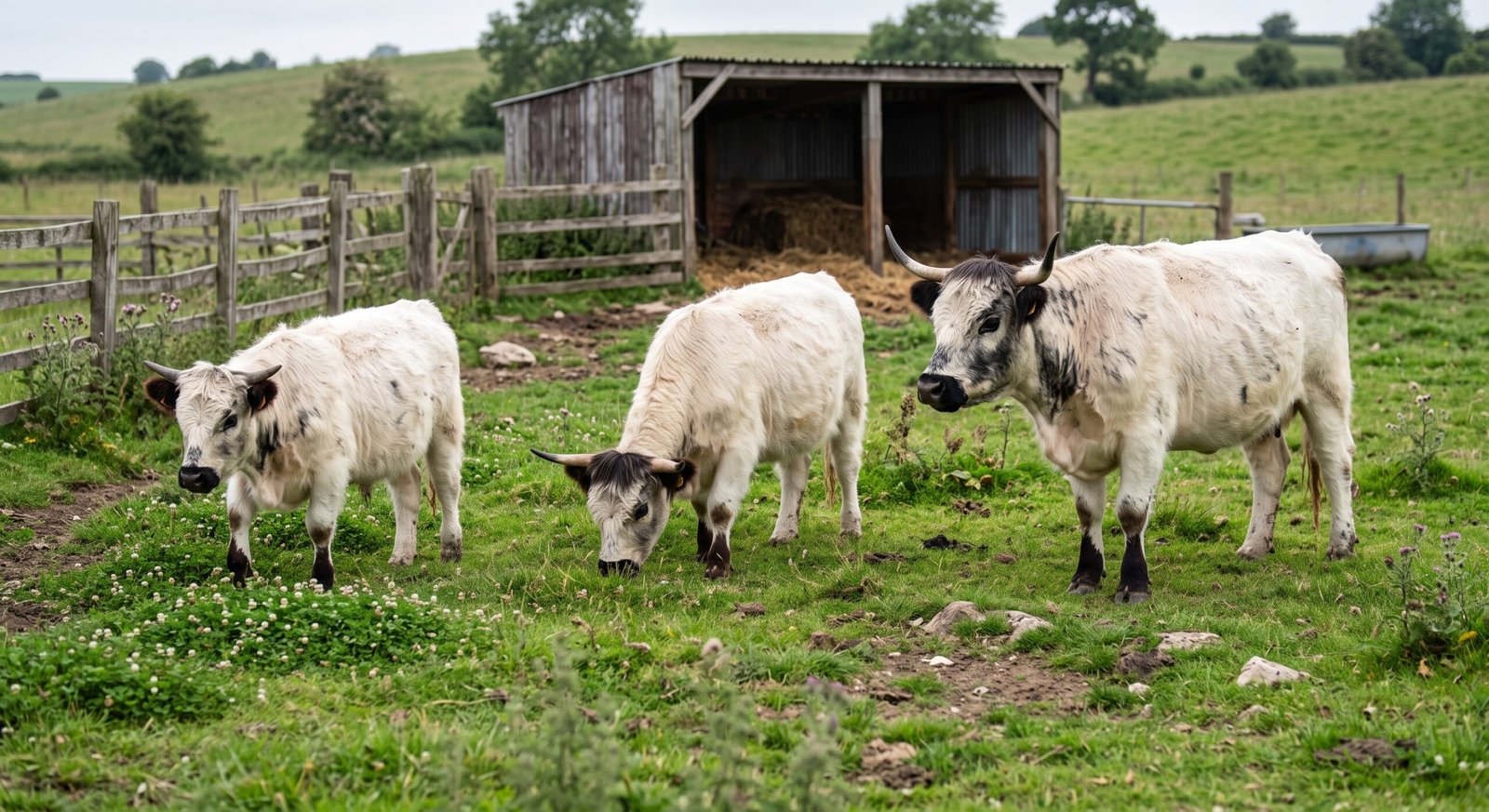
- A Highpark calf is a young animal, usually still nursing or just weaned.
- A Highpark heifer is a young female that hasn’t given birth yet, and mini Highpark heifer refers to the smaller classified version.
- A mini Highpark bull is a smaller classified male, typically used for breeding in compact herds.
- Miniature Highpark cows are adult females in the smaller documented height categories.
Knowing these terms makes browsing listings a lot easier, and it helps when you’re talking to a breeder about exactly what you want.
Temperament and Everyday Behavior
Big horns, sure, but don’t let that fool you. This breed is generally calm and easy to work with once it’s used to being handled.
A Gentle and Adaptable Nature
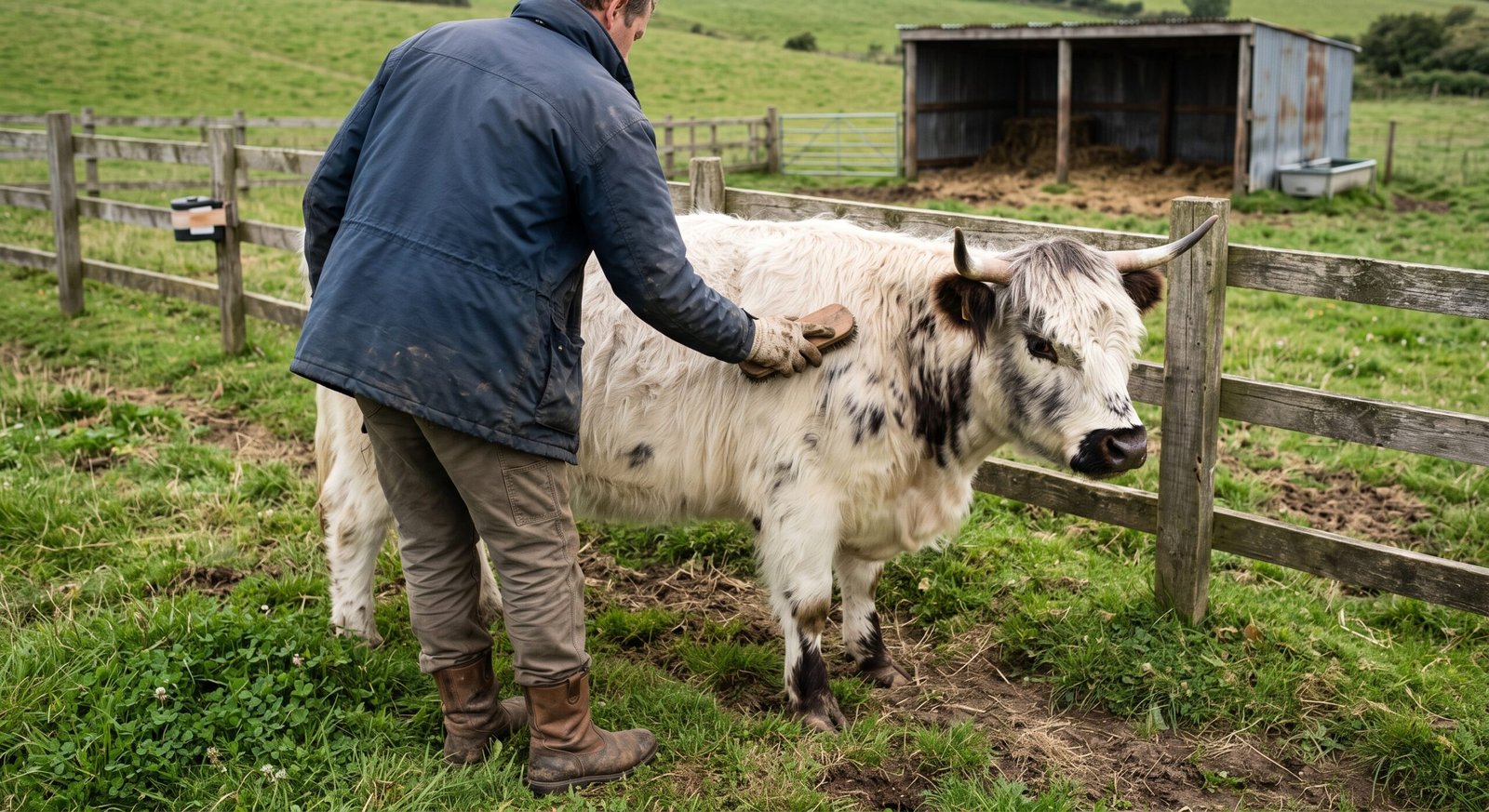
Regular gentle handling from a young age goes a long way. Animals raised that way tend to stay comfortable around people and manageable day to day. That calm temperament is a big reason this breed has caught on with families and hobby farms.
Adaptability to Different Climates
Two hardy heritage breeds went into this cross, and it shows. They handle cold winters and milder seasons about equally well, which makes them a practical pick for a wider range of locations than some more climate sensitive breeds.
Land Diet and Daily Care
Care mostly mirrors standard Highland cattle, with small adjustments based on the individual’s size category.
Space and Pasture Needs
Smaller animals of this breed need less land than full sized cattle. A fraction of an acre per animal is often plenty, depending on pasture quality. Rotational grazing helps keep pasture healthy no matter how big the herd is.
Feeding Requirements
Diet needs line up with other heritage breeds built for grazing rather than grain. Good quality pasture grass and hay should make up most of the diet. Mineral supplements formulated for cattle fill in the nutritional gaps.
Fresh clean water needs to stay available at all times, especially in winter.Heavy grain based feed generally isn’t a good idea for a breed built to thrive on forage.
Finding Highpark Cows for Sale
This breed is still fairly uncommon next to purebred Highland cattle, so finding a solid listing takes a bit more digging.
Searching for a Reputable Seller
Whether you’re searching Highpark cow for sale, Highpark cows for sale, or miniature Highpark cows for sale, look for breeders who hand over documented pedigree, parent measurements, and health records. Photos alone don’t tell you enough.
What Affects the Price
A handful of things drive the final price up or down.
- Percentage of Highland versus White Park ancestry in the pedigree.
- Size classification, with smaller documented categories usually commanding higher prices.
- Coat pattern and how closely it matches sought after markings.
- Registration status and available health or vaccination records.
Ask for documented lineage and parent measurements before you commit to anything.
Health and Lifespan
Cross two hardy heritage breeds and you tend to get an animal with solid overall health, assuming it’s bred and raised responsibly.
General Hardiness and Care
This breed generally inherits strong cold tolerance and disease resistance from both parent lines, so it needs less intervention than most commercial cattle breeds. That said, routine vet checkups, vaccinations, and hoof trimming still matter no matter how hardy the animal is.
Frequently Asked Questions
What two breeds make up this cross?
It comes from crossing Highland cattle with White Park cattle. The result combines a shaggy coat texture with distinctive white and colored markings.
How does it compare to a standard Highland cow?
The main difference is coloring rather than temperament or hardiness. This breed shows white and colored patterning, while a standard Highland usually carries one solid coat color.
How big do they typically get?
Size varies by generation and genetics, generally ranging from under 36 inches in the smallest category to over 48 inches in full sized individuals.
Are they good for small farms?
Yes, especially smaller classified individuals, since they generally need less pasture and feed than full sized cattle. Their calm temperament also makes them manageable for beginner farm owners.
What should I check before buying one?
Ask for documented parent height measurements, registration papers, and available health records. Visiting the farm in person before purchasing is also strongly recommended.
Conclusion
Highpark cattle bring together Highland hardiness and White Park coloring in a way that’s hard to find anywhere else, and that combination is exactly why more small farms and heritage breed enthusiasts keep gravitating toward them. Once you understand the size categories, know the right terms, and have a realistic idea of cost, you’re set up to end up with a healthy animal and an ownership experience that’s actually worth it