What Are Highland Cows Used For and How They Benefit Land
At our farm, people are often surprised to learn just how versatile Highland cattle can be. Most people know them for beef, but that is only one of the roles these hardy cattle can fill.From producing quality beef and managing rough pasture to supplying breeding stock, supporting conservation projects, and attracting farm visitors, Highlands can earn their place on a property in several different ways. Some families even keep a Highland cow for household milk.
Here is a closer look at what Highland cows are used for and why the breed works so well in such different settings.
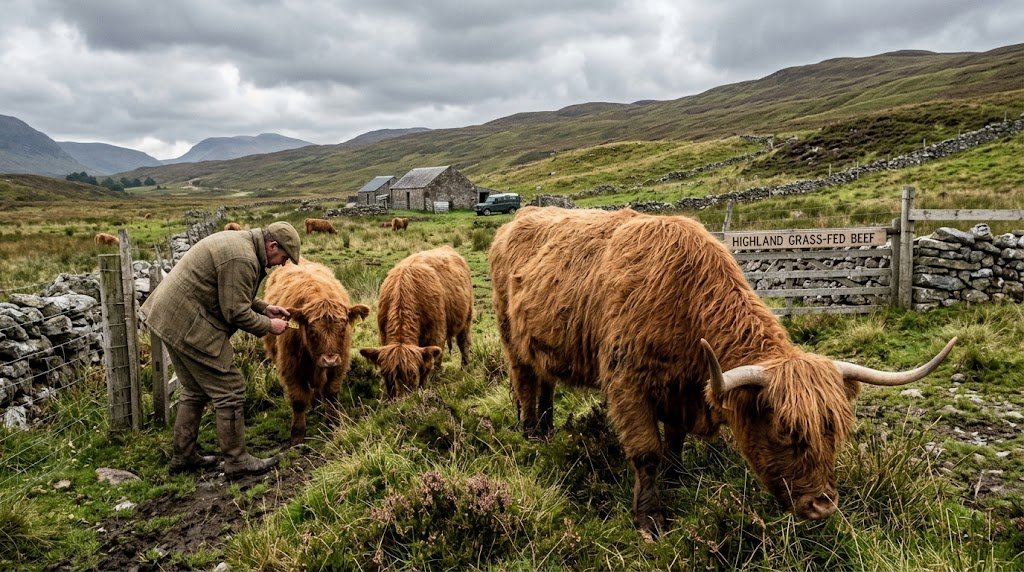
Beef Production Is the Primary Use
Beef production remains the main reason Highland cattle are raised. The breed developed in the challenging conditions of the Scottish Highlands, where cattle had to make good use of available forage and cope with cold, wet weather.
That hardiness still makes them well suited to pasture-based beef systems today. Highlands are good foragers and can make use of vegetation that more demanding cattle may not utilize as effectively. This makes them particularly appealing to farms interested in grass-fed or grass-finished beef.
Highland beef is also valued for its flavor and eating quality.
- Highland beef is commonly known for being lean while still offering good flavor and marbling.
- Their slower, pasture-based growth can produce beef with a distinctive character that appeals to specialty and direct-to-consumer markets.
- Their Scottish heritage and recognizable appearance also give farms an interesting story to share when marketing Highland beef directly to customers.
For smaller farms in particular, that combination of hardy cattle and a distinctive end product can be very useful.
Conservation Grazing and Land Management
One of the most interesting uses for Highland cattle has little to do with beef production.
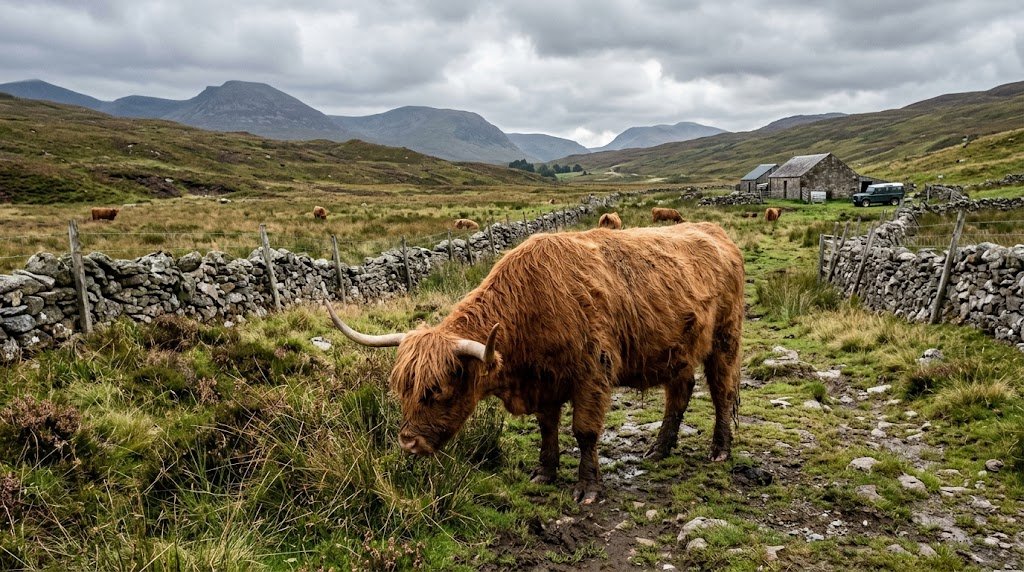
Highlands are increasingly used for conservation grazing and habitat management. You may find them working on nature reserves, restoration projects, wetlands, moorland, coastal areas, and other places where maintaining a varied landscape is important.
Their ability to browse and graze a wide range of vegetation is especially useful. Highlands will often tackle coarse grasses, scrub, and other plants that more selective livestock may leave behind. As they move through an area, their grazing, trampling, and dung can help create a more varied habitat for plants, insects, birds, and other wildlife.
They can be useful for several reasons:
- Grazing and dung return nutrients to the soil and can help maintain a diverse plant community.
- Highlands can help manage coarse or overgrown vegetation that would otherwise require mechanical control.
- Their hardiness allows them to work in rough environments where keeping more demanding livestock may be difficult.
The goal of conservation grazing is not simply to put cattle on unused land. Stocking levels, timing, soil conditions, and the habitat being managed all matter. When Highlands are used appropriately, however, they can be a very practical part of long-term land management.
Other Practical Roles This Breed Plays
Beef and conservation grazing may be the best-known uses, but they are not the whole story. On smaller farms and homesteads, Highlands are often kept for several purposes at once. A herd might produce beef and breeding animals while also maintaining pasture and attracting visitors to the farm.
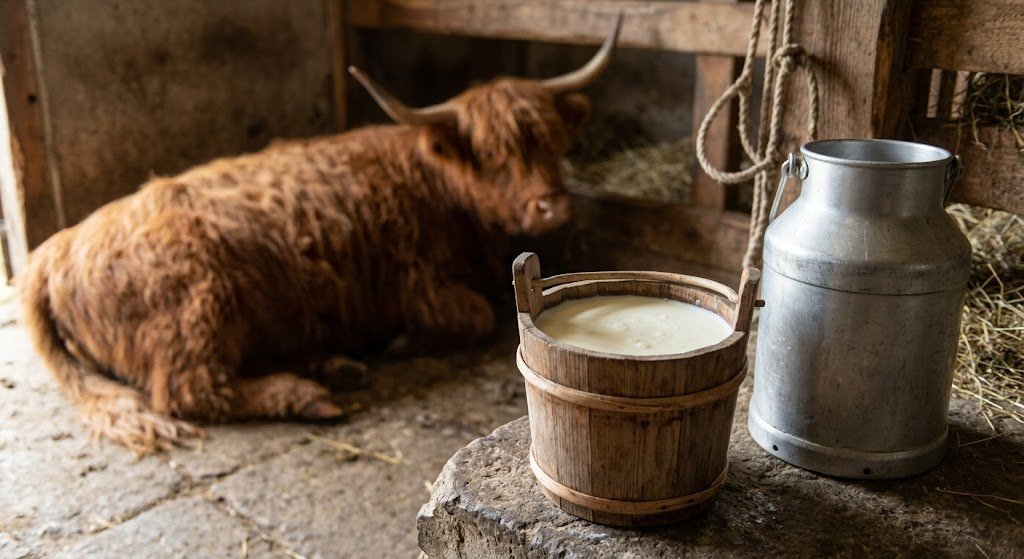
Household Milk Production
Highland cows can be milked, although they should not be confused with specialized dairy cattle. A Highland cow normally produces enough milk to raise her calf, and historically some families also used cows for their own household milk supply. For a smallholding or homestead, that can still be an option.
The important distinction is volume. Anyone wanting high commercial milk production would be better served by a dedicated dairy breed. A Highland may make more sense for someone who already values the breed’s other qualities and wants a modest amount of milk for household use. Individual temperament matters as well. A cow that is going to be hand-milked needs to be comfortable with close handling and have suitable training.
Breeding Stock and Crossbreeding
Breeding animals are another important part of the Highland cattle market. Established breeders may sell registered heifers, cows, bulls, or calves to people who want to start or expand their own herds. Good genetics, temperament, conformation, health, and pedigree can all influence the value of breeding stock. Highlands are also used in crossbreeding programs. A Highland cow may be crossed with another beef breed to combine traits from both parent lines.
Crossbreeding can introduce hybrid vigor while retaining useful Highland characteristics such as hardiness, mothering ability, and adaptability. The exact results depend on the breeds and individual animals involved, so breeding decisions should always be based on the goals of the herd rather than simply choosing a popular cross.
Agritourism and Companionship
There is no denying that Highland cattle get attention. Their long coats, sweeping horns, and distinctive faces make them one of the most recognizable cattle breeds around. For farms that welcome visitors, that appearance can be a genuine advantage.
Highlands can become an attraction for farm tours, educational visits, photography experiences, and other agritourism activities. They can help smaller farms create an experience that goes beyond simply selling agricultural products.
Some people also keep Highlands primarily because they enjoy having them around. Well-handled cattle can become accustomed to people, but they are still large livestock with considerable strength and, in many cases, long horns. Even a calm Highland should be handled with appropriate cattle facilities and respect for normal livestock behavior.
Why the Breed Works Across So Many Roles
The versatility of Highland cattle comes back to one major characteristic: hardiness. For generations, these cattle adapted to difficult Scottish conditions where shelter, high-quality feed, and human assistance were not always readily available. They developed the ability to cope with cold weather, make use of rough forage, and function in landscapes that can be challenging for other cattle. Those same characteristics remain useful today.
A beef producer may appreciate their ability to perform on pasture. A conservation project may value the way they graze rough vegetation. A smallholder may appreciate having one breed that can contribute beef, breeding animals, pasture management, and potentially household milk.
That does not mean Highlands are automatically the right cattle for every property. Climate, acreage, fencing, handling facilities, feed availability, and the owner’s goals all need to be considered. But where the conditions suit them, Highlands can fill an unusually wide range of roles.
Frequently Asked Questions
Are Highland cows mainly raised for beef?
Yes. Beef production is the primary use of Highland cattle. Their meat is particularly valued by producers and customers interested in pasture-raised beef with distinctive flavor and good eating quality.
Can Highland cows be milked?
Yes. Highland cows produce milk and can be hand-milked, but their production is much lower than that of specialized dairy breeds. They are generally more practical for household milk than commercial dairy production.
What is conservation grazing?
Conservation grazing uses livestock to manage vegetation and maintain or restore habitats. Highland cattle can be useful because they graze a broad range of plants and are capable of living in relatively rough conditions.
Are Highland cows good for beginners raising cattle?
They can be a good option for some first-time cattle owners because of their hardiness and adaptability. However, beginners still need secure fencing, suitable handling facilities, adequate land and feed, and an understanding of cattle behavior. Their horns also require careful handling and appropriate facilities.
Why are Highland cows popular for agritourism?
Their shaggy coats, long horns, Scottish heritage, and instantly recognizable appearance make them memorable animals for farm visitors. This can make them particularly appealing for farm tours, educational programs, and other agritourism activities.
Conclusion
Highland cattle are best known for beef, but limiting them to that one purpose misses much of what makes the breed useful. They can produce quality beef, manage rough vegetation, support conservation grazing, provide valuable breeding stock, contribute to crossbreeding programs, attract farm visitors, and, in some situations, even provide milk for the household.
Much of that versatility comes from the same qualities that allowed the breed to survive for generations in the Scottish Highlands: hardiness, adaptability, and the ability to make good use of available forage. For farms and small properties looking for cattle that can serve more than one purpose, those qualities are worth considering.
If you’re looking for a healthy Highland cow for your own property, we work directly with verified breeders and can help you find an animal suited to your goals. Reach out to us, and we’ll walk you through the available options.