Comprehensive Guide to the Miniature Highland Cow
Small scale livestock farming has experienced a remarkable surge in interest among homesteaders, hobby farmers, and rural property owners seeking manageable agricultural animals. The miniature highland cow has quickly become one of the most popular choices for small acreage due to its distinct shaggy coat, peaceful temperament, and adaptable physical nature. These small cattle offer classic pastoral appeal without the intensive land and resource demands of standard commercial livestock.
Integrating compact cattle into a farm requires an understanding of their physical traits, nutritional requirements, spatial needs, and general care routines. While their smaller stature makes daily handling far more accessible for individual landowners, proper management practices remain crucial for maintaining long term herd health. This guide provides a detailed look at everything required to successfully raise, feed, and shelter these iconic domestic animals on your property.
Distinctive Traits and Physical Characteristics
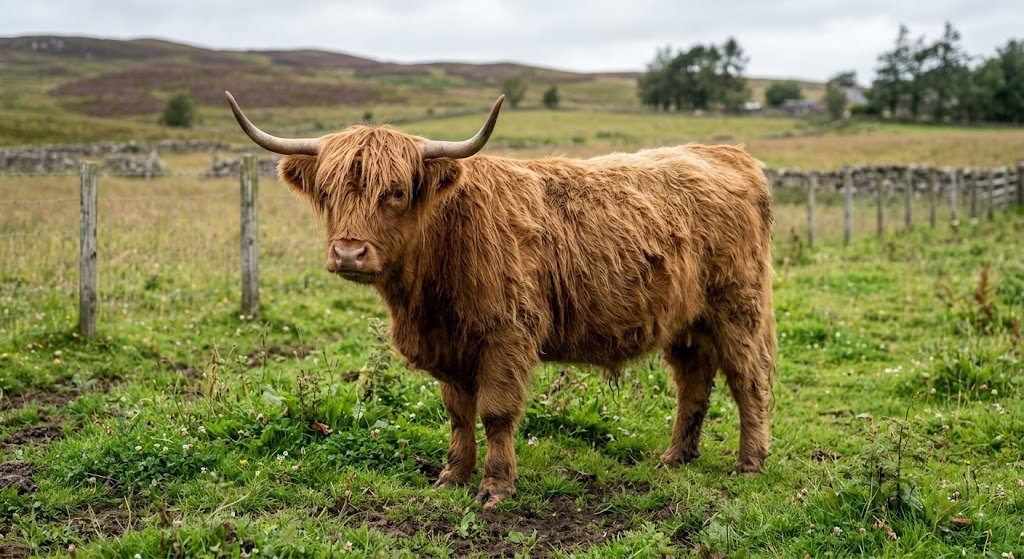
Understanding the physical profile of compact heritage cattle allows prospective owners to plan suitable pasture facilities and daily care routines. These animals retain the classic aesthetic features of full sized heritage stock while maintaining significantly smaller physical proportions that ease overall farm management.
Height Weight and Compact Proportions
Physical size represents one of the primary distinguishing factors when comparing small scale cattle to standard commercial breeds. Compact stature reduces handling risks and makes daily chores far simpler for individual farm managers.
- Standing hip height typically ranges between thirty six and forty two inches at full maturity.
- Adult body weight generally falls between four hundred and seven hundred pounds depending on gender and breeding background.
- Overall body conformation remains sturdy, deep chest, and low set to the ground across all developmental stages.
These modest physical dimensions allow small property owners to manage livestock without needing heavy commercial restraining equipment or oversized trailering systems. If you want to go even smaller, our guide to the micro mini highland cow breaks down exactly how that size class is defined and what buyers should expect from one.
Coat Density and Appearance Features
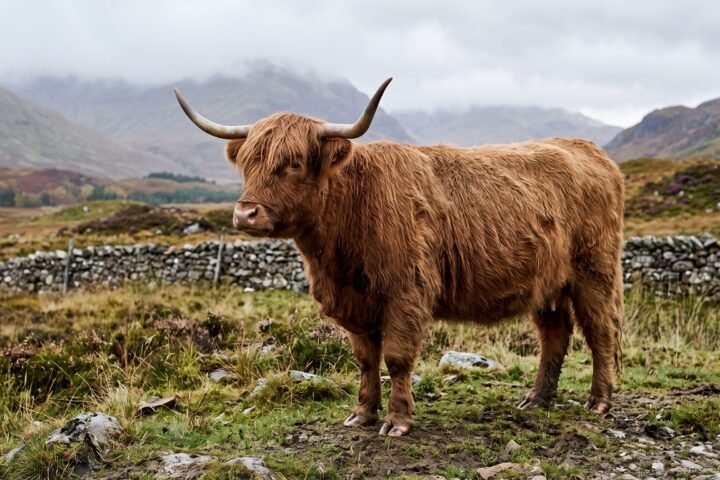
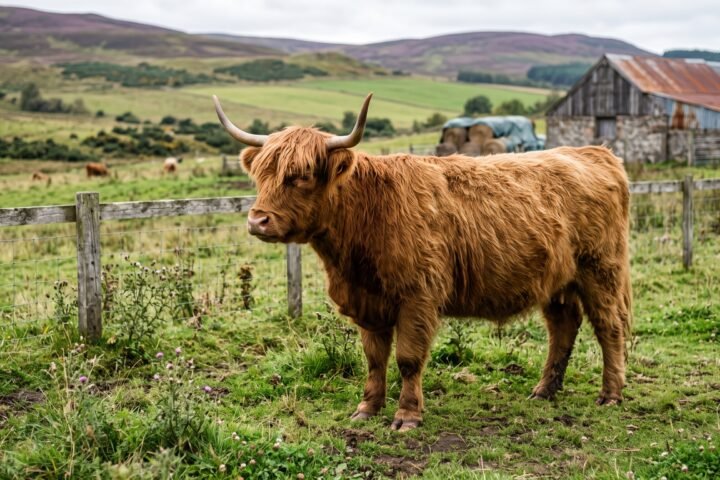
The visual charm of a shaggy micro cow is heavily defined by a thick double layer coat designed by nature for weather resistance. This outer coat shields the animal from heavy rainfall, snow, and driving winds throughout changing seasonal conditions.
- A dense double coat consists of long coarse outer guard hairs paired with a soft insulating undercoat.
- Facial hair falls forward over the forehead to provide natural protection against severe weather and pasture insects.
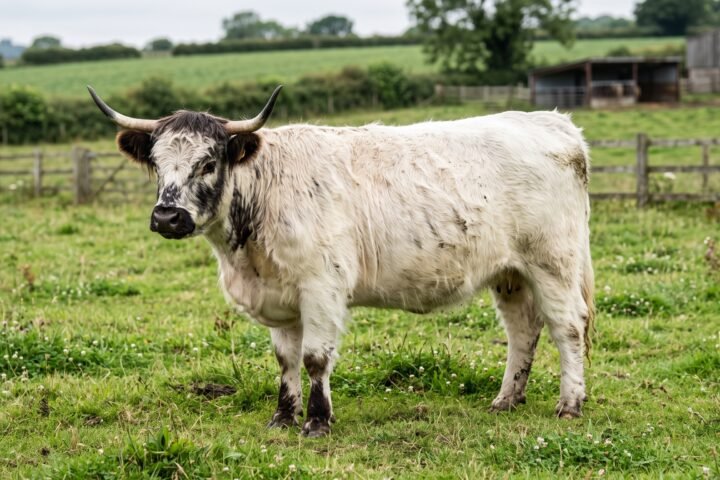
- Natural coat colors include rich shades of red, dun, yellow, black, silver, and soft white fur.
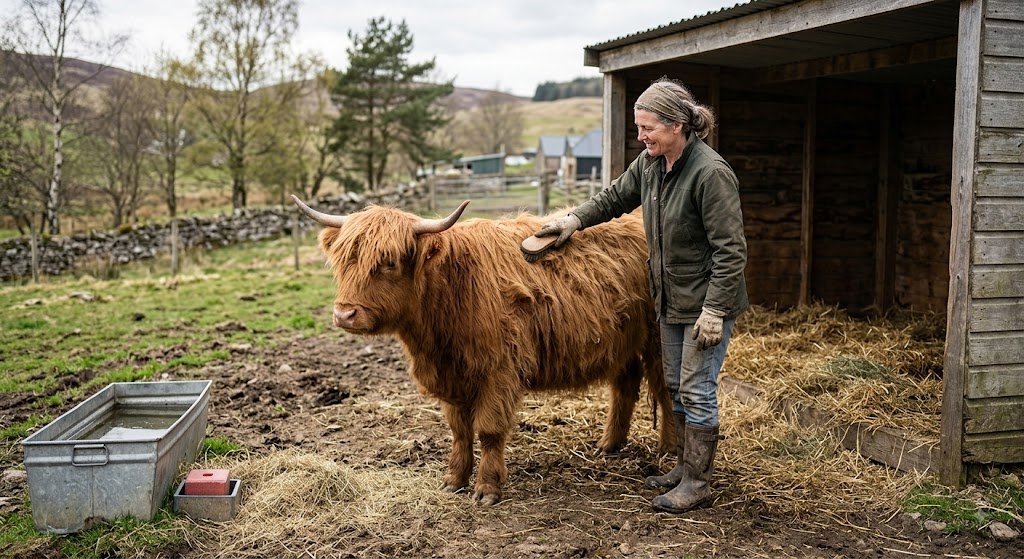
In addition to their thick hair, these animals feature wide curving horns that add to their stately physical presence. Their calm demeanor makes coat grooming a simple, enjoyable routine that builds trust between the animal and handler.
Land Requirements and Shelter Essentials for the Miniature Highland Cow
Proper land allocation and secure facilities ensure your herd remains safe, active, and well nourished throughout the entire calendar year.
Pasture Size and Grazing Allocations
A major advantage of keeping smaller cattle is their lighter impact on agricultural land. Standard cattle require substantial forage acreage, whereas smaller cattle thrive on reduced land footprint while preserving pasture quality.
- Plan for approximately one half to one full acre of healthy pasture space per mature animal.
- Implement rotational grazing strategies to prevent soil compaction and support sustainable grass regrowth.
- Provide supplementary grass hay during winter months or periods of summer drought when fresh pasture is scarce.
Because of their reduced body weight, these animals create less soil erosion and hoof damage along walking paths and feeding areas. This makes them exceptionally well suited for smaller homesteads with gentle rolling terrain.
Fencing Boundaries and Shelter Requirements
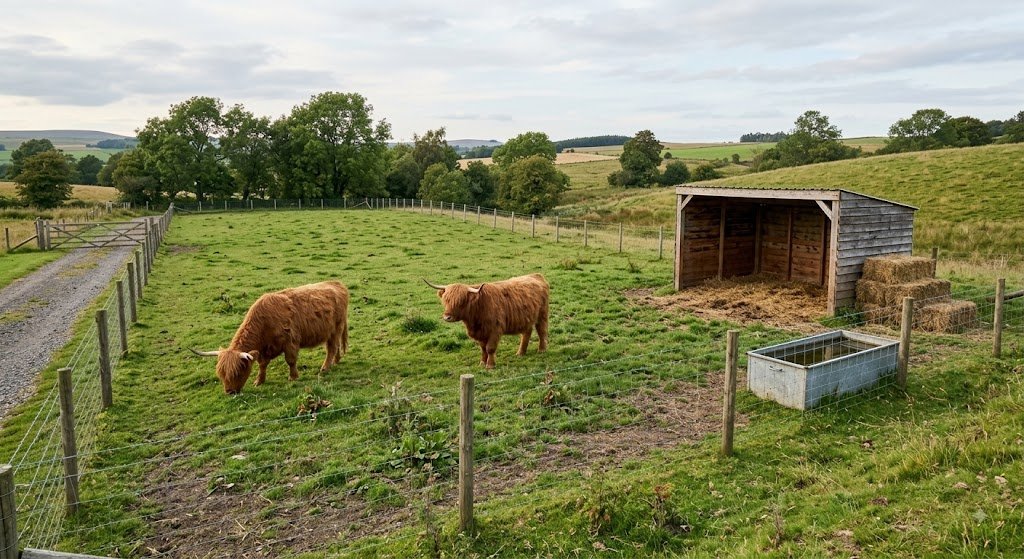
Building sturdy perimeter boundaries and weatherproof housing prevents escape attempts and protects livestock from severe environmental exposure. Fencing does not need exceptional height, but structural integrity is vital.
- Standard four foot agricultural paneling or woven wire fencing provides reliable boundary security.
- Three sided loafing sheds positioned away from prevailing winds offer sufficient protection against cold precipitation and intense sun.
- Clean dry bedding such as straw or wood shavings inside shelters helps maintain coat quality and hoof health.
Continuous access to clean, fresh water is essential in every paddock. Installing frost proof watering troughs ensures constant hydration during freezing winter conditions without requiring manual ice breaking.
Dietary Requirements and Feeding Schedules
Maintaining health in compact cattle relies on a consistent nutritional strategy focused on high quality forage rather than heavy grain supplements. Heritage cattle breeds possess highly efficient digestive systems designed to process simple fibrous vegetation.
Basic Daily Nutrition Needs
Overfeeding high energy grain mixtures can cause metabolic complications, digestive distress, and unwanted weight gain. Sticking to simple roughage keeps their digestive tract functioning properly.
- Primary nutrition must come from healthy pasture grasses and clean, dust free grass hay.
- Free choice mineral blocks formulated specifically for bovines must remain available at all times.
- Clean drinking water should be checked daily to ensure uninterrupted access across all grazing paddocks.
Regular feeding schedules combined with routine weight monitoring help owners adjust hay volume during seasonal transitions when pasture growth slows down.
Health Care Lifespan and Daily Maintenance
With thoughtful husbandry practices and routine health oversight, compact cattle enjoy long, productive lives with minimal health complications. Their natural hardiness provides strong defense against many common livestock ailments.
Expected Lifespan and Genetic Hardiness
Under favorable farm conditions, these hardy bovines regularly live between fifteen and twenty years. Their thick double coat offers superior thermal protection, reducing vulnerability to cold weather respiratory issues that often affect shorter haired livestock breeds.
Their docile temperament further minimizes stress related health problems, ensuring a predictable and manageable daily routine for farm owners.
Routine Preventive Health Tasks
Proactive farm management prevents common health issues before they require intensive veterinary intervention. Establishing a semi annual care schedule keeps the entire herd in optimal condition.
- Schedule annual veterinary checkups to administer necessary vaccinations and perform overall health assessments.
- Inspect and trim hooves every six to twelve months to preserve proper posture and structural balance.
- Implement strategic deworming programs based on routine pasture management and veterinary guidance.
- Groom outer coats during spring shedding periods to assist in removing old undercoat hair efficiently.
Consistent attention to hoof care, coat grooming, and basic health checkups protects your investment and ensures high welfare standards over the animal’s lifetime.
Financial Considerations and Budgeting
Acquiring and maintaining small cattle involves both initial capital outlay and ongoing operational expenses. Developing an accurate budget beforehand ensures long term financial sustainability.
Initial purchase pricing reflects pedigree documentation, structural quality, height category, and coat color popularity. Rare coat shades or exceptionally small breeding lines often carry higher market value. Beyond the purchase price, routine farm operational expenses must be anticipated.
- Feed costs including supplementary hay bales for winter feeding and mineral block replacements.
- Veterinary fees for annual vaccinations, parasite control treatments, and emergency care reserves.
- Farrier expenses for regular hoof trimming and structural maintenance.
- Farm infrastructure expenses such as fence repairs, shelter upkeep, and water trough maintenance.
Proper financial planning guarantees that your animals receive uninterrupted care, quality feed, and comfortable housing throughout every stage of life.
Frequently Asked Questions
How big do these compact cattle get at full maturity?
A mature compact cow generally reaches a hip height between thirty six and forty two inches. Their adult weight typically stabilizes between four hundred and seven hundred pounds depending on diet and genetics.
What is the typical purchase price for small cattle?
Prices vary considerably based on pedigree status, physical structure, coat color, and overall size classification. Buyers generally expect an investment ranging from several thousand dollars upward for well bred animals.
How much pasture land is required for a small cow?
On average, a single compact animal requires one half to one acre of quality pasture space. Utilizing rotational grazing methods helps preserve grass growth and maintains optimal soil conditions.
What is the average lifespan of these animals?
When provided with nutritious forage, clean shelter, fresh drinking water, and routine veterinary care, these hardy bovines routinely live between fifteen and twenty years.
Conclusion
Deciding to raise a miniature highland cow introduces enduring joy, efficient pasture management, and classic pastoral appeal to any rural property. By securing suitable acreage, providing balanced forage, and maintaining preventative health routines, you can ensure a deeply rewarding experience with these remarkably hardy animals.