American Lamancha Goat Breed Standard Milking and Temperament
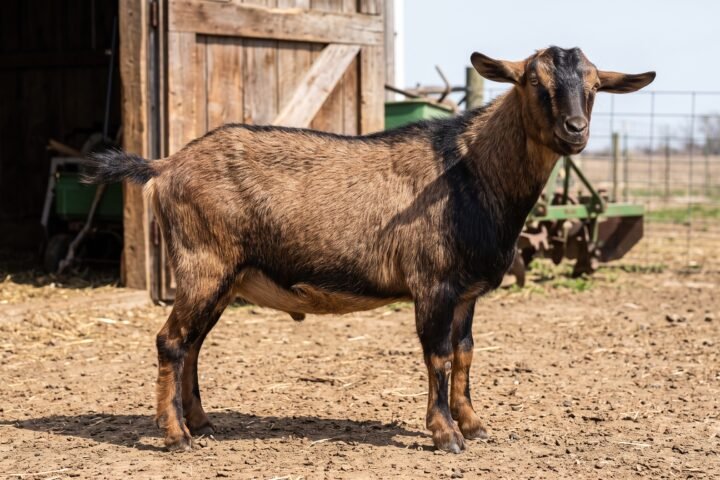
At our farm, the Lamancha goat often gets a second look from people seeing one for the first time. Those tiny ears can really catch people off guard. This is the only dairy goat breed developed in the United States. Once you look past the ears, though, you get a calm and reliable milker. That’s one reason this breed has always been easy for us to work with.
This guide covers where the breed comes from, what size to expect, and its two official ear types. We’ll also explain an important registration detail that many guides don’t make clear. Then we’ll cover milk production, temperament, cost, and daily care.
By the end, you’ll understand why those unusual ears matter so much. This becomes especially important if you’re buying a buck for breeding. Knowing the difference before you buy can save you from an expensive mistake later.
The Only Dairy Breed Born in America
The Lamancha goat is the only dairy goat breed developed entirely in the United States. Its history traces back to short-eared goats that likely arrived in California with early Spanish missionaries. Breeder Eula Fay Frey began developing the modern breed in California in 1927. She later crossed her foundation animals with Nubian, French Alpine, Toggenburg, Oberhasli, and imported Murciana goats to improve their dairy traits. The breed name came from a crate of these unusual short-eared goats at the 1904 Paris World’s Fair. The crate was labeled “LaMancha, Cordoba, Spain.” The breed was formally recognized in the early 1950s and officially registered in 1958.
Adult Size You Can Actually Count On
This breed is medium to large for a dairy goat. It also has a defined minimum size standard that registries enforce. That’s useful when you’re comparing animals from different breeders. Instead of relying only on a rough average, you have a clear baseline to work with. That’s handy when checking young animals and planning future housing.
Adult Size Range
Height is measured at the withers once an animal reaches full maturity. That generally happens by around two years of age.
- Does must stand at least 28 inches at the withers and weigh at least 130 pounds.
- Bucks must stand at least 30 inches at the withers and weigh at least 160 pounds.
- Many animals of both sexes grow well above these minimums because the standard sets a floor, not a maximum.
Those Ears Aren’t Just for Looks
Every Lamancha goat guide talks about the tiny ears. That’s understandable because they’re the breed’s most obvious feature. What many guides fail to explain is that there are two official ear types. One of those types also affects registration when you’re buying a breeding buck. Understanding the difference before shopping can prevent a costly surprise later.
Gopher Ears vs Elf Ears
- Gopher ears can reach about one inch in length. They ideally have little or no cartilage, and the tip can turn either upward or downward.
- Elf ears can reach about two inches. They allow more cartilage shaping, and their tips can also turn up or down.
- Both types are accepted for does under breed standards.
- Despite their unusual appearance, both ear types hear normally.
The Registration Rule Most Buyers Miss
Here’s the detail that catches many new buyers off guard. Only a gopher-eared buck qualifies for registration. An elf-eared buck cannot be registered under current breed standards, even if it has excellent bloodlines or strong dairy genetics. If you’re buying a buck to produce registered offspring, this detail matters a lot. Always confirm the ear type and registration eligibility with the breeder before you commit.
Ear Care Owners Often Overlook
Those small, tightly folded ears can hold dirt and moisture more easily than normal goat ears. For that reason, it’s worth checking them regularly. Gentle cleaning should be part of routine care rather than something you only do after a problem appears. A quick check during normal handling is usually easy to manage.
Coat Variety You Won’t Find Restricted
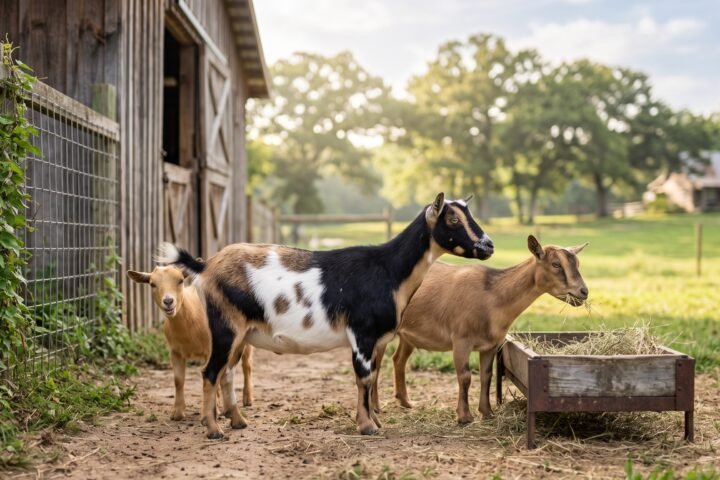
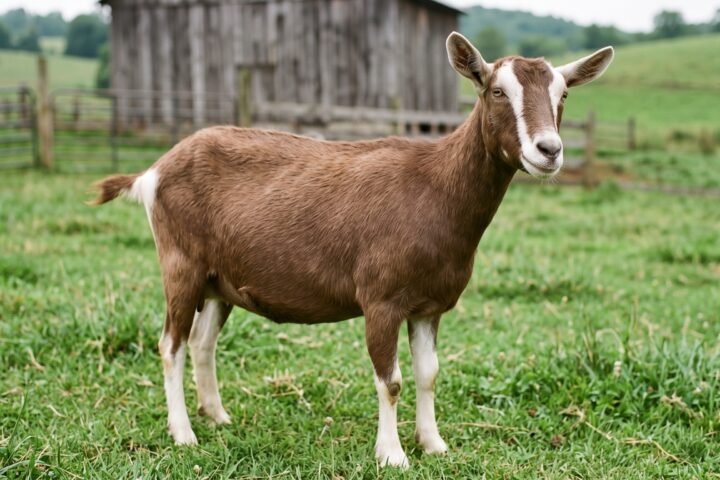
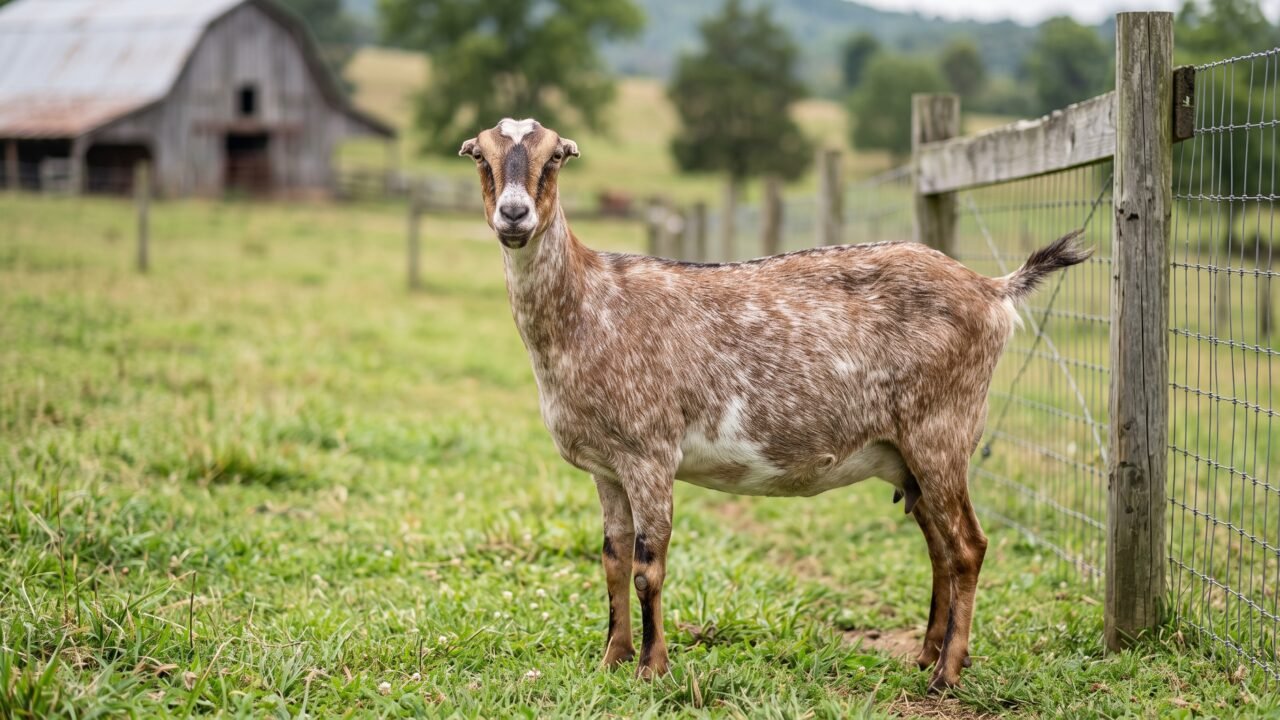
Coloring in this breed has plenty of variety. Nearly every color and pattern falls within accepted breed standards. That’s quite different from a breed such as the Toggenburg, where the coat pattern is tightly defined. With this breed, appearance tells you very little about pedigree. If you’re buying a registered animal, paperwork matters much more than coat color.
Common Colors and Markings
- Colors can include white, cream, brown, gray, and black.
- You may also see badger striping, dairy markings, or pied patterns.
- Since almost any color combination is accepted, coat color has little effect on registration eligibility.
- Ear type matters much more for bucks.
Milk Production and a Genuinely Unusual Advantage
Milk production is one of the strongest practical reasons owners choose this breed. The numbers are good, but there’s another advantage that’s easy to overlook. It becomes clear when you consider how long a doe can keep producing milk without another breeding cycle.
Typical Milk Yield
A healthy doe commonly produces close to a gallon of milk per day. A full lactation can often total more than 2,200 pounds across roughly 275 to 306 days.
Milk Quality and Butterfat
Butterfat usually averages around 3.9 percent. However, documented records have reached as high as 8 percent in exceptional animals. That makes the milk useful for cheese, yogurt, ice cream, and soap.
The Two-Year Milking Window
Many does can continue producing milk for up to two full years without needing to be rebred or freshened. That’s a major practical benefit for smaller farms and homesteads. You can maintain a steady milk supply without managing an annual breeding cycle. That alone can make herd planning much simpler.
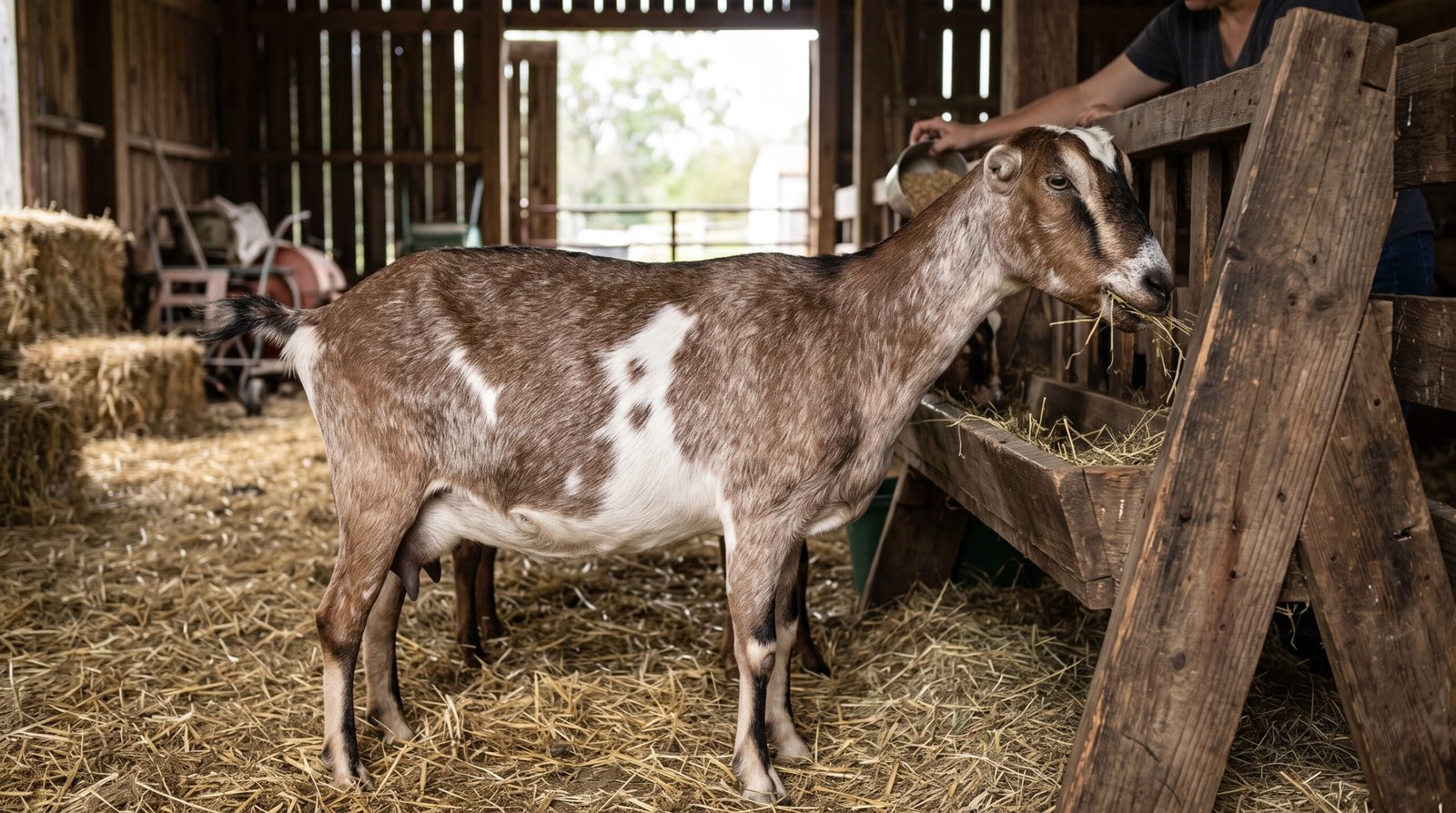
A Personality That Makes Milking Easy
The Lamancha goat has a strong reputation for being calm, cooperative, and easy to handle. That reputation makes sense once you’ve spent time around the breed. Owners who have worked with more high-strung dairy breeds often notice the difference quickly. A calmer animal can make routine milking feel much less stressful.
A Calm, Cooperative Milker
Owners commonly describe this breed as intelligent, affectionate, and cooperative during milking. They tend to be less difficult to manage than goats that kick or fight during a session. That calm nature also makes them useful for packing and general handling. So, their value isn’t limited to dairy production.
Social Behavior and Herd Needs
Goats are naturally herd-oriented animals. They should not be kept alone as solitary pets. A goat without a companion can become noticeably stressed. Plan on bringing home at least two from the start so they have normal herd companionship.
Keeping Them Comfortable Year Round
Care needs are similar to those of other medium to large dairy goats. There is one heat-related detail that deserves extra attention, though. Getting the shelter and shade right from the beginning can help prevent a summer drop in milk production. That’s something new owners don’t always expect.
Managing Heat and Shelter
Milk production can drop noticeably when temperatures rise above 80 degrees Fahrenheit. Because of that, shaded areas and good airflow are important. A well-ventilated shelter isn’t just about comfort. It can also help keep milk production more consistent during hot weather.
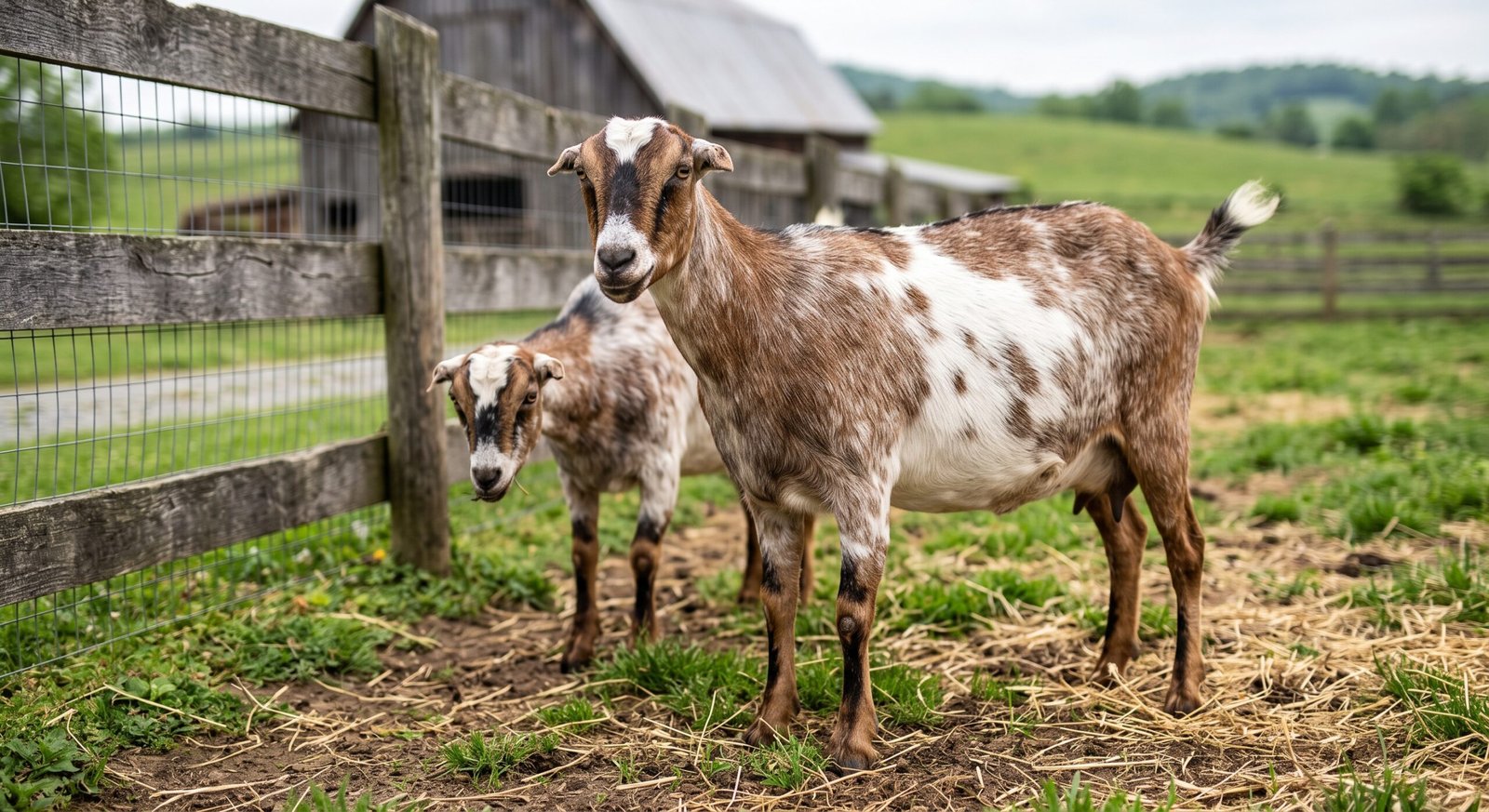
Space and Fencing
- Plan on at least 200 to 300 square feet of secure paddock space per animal.
- Fencing should be at least 4 feet high, with sturdy, goat-proof gate latches.
- These animals are curious, smart, and agile.
- They can test weak points regularly.
- A well-maintained setup like this works well for many small herds, depending on the quality of the pasture.
Feeding Requirements
Diet needs remain fairly standard for a medium to large dairy breed.
- Quality pasture and hay should make up most of the daily diet.
- Milking does need supplemental grain to support consistent production.
- A goat-specific mineral supplement helps fill nutritional gaps that forage alone won’t cover.
- Fresh water needs to stay available at all times, especially in hot weather.
Routine Health Care
Preventive care stays consistent regardless of breed. Annual checkups, core vaccinations, deworming, and hoof trimming every six to eight weeks help keep most LaManchas healthy into their later years. Rotational grazing can also help reduce parasite buildup. That’s useful for any dairy herd managed over the long term.
From Newborn Kid to Full Grown Doe
Kids grow quickly. They typically weigh between 5 and 9 pounds at birth. During their first six months, they can gain around 10 to 12 pounds each month. Although sexual maturity comes within a few months, most breeders wait until an animal is at least one year old before breeding. Waiting allows the body to develop properly first. It can also support the long-term health of the doe and her future kids. That extra patience can pay off later.
What Actually Drives the Price
Pricing can vary widely based on several factors. Registration status, milk production history, and ear type all matter. Ear type becomes especially important with breeding bucks. This can make prices less predictable than they are with some more standardized breeds. When comparing two similar listings, look closely at what is actually driving the price.
Typical Price Range
Prices commonly range from $150 to $1,500. Age, documentation, and intended use can all change the final amount. Unregistered kids and wethers usually sit toward the lower end. Proven registered does and breeding bucks with gopher ears can reach the higher end.
Key Cost Factors
- Registration status and ear type can affect price, since gopher-eared bucks eligible for registration often cost more.
- Milk production history matters significantly for does, as proven milkers can command a real premium.
- Coloring and conformation compared with breed standards can also play a role.
- Local demand and the breeder’s reputation in your area can affect the final price as well.
Vetting a Breeder Before You Commit
Because ear type directly affects breeding eligibility, buying this breed requires a few extra questions. A little checking before you pay can save you from a major mistake. You don’t want to pay breeding-buck prices for an animal that cannot be registered. This is especially important if registered offspring are part of your plan.
Questions Worth Asking a Breeder
A few direct questions will tell you more than photos ever will.
- Ask specifically about ear type, gopher or elf, especially if you’re buying a buck for breeding purposes.
- Ask for documented height and weight of both parent animals.
- Request registration papers if the animal is advertised as purebred.
- Ask about milk production history if you’re buying a doe for dairy purposes.
- Visit in person whenever it’s realistically possible before committing.
Things to Watch Out For
Be careful if a seller advertises an elf-eared buck as fully eligible for registration. Under current breed standards, that isn’t accurate. Sellers who clearly explain ear type, registration status, and milking history are usually easier to trust. It’s always worth asking questions before sending a deposit.
Frequently Asked Questions
How much does it cost?
Prices commonly range from $150 to $1,500. Age, registration, documentation, and intended use can all affect the final price.
How big does it get?
Does must stand at least 28 inches at the withers and weigh at least 130 pounds. Bucks must reach at least 30 inches and weigh at least 160 pounds.
Why does it have such small ears?
The tiny ears are the breed’s defining feature. There are two official types, gopher and elf ears. Both types hear normally despite their unusual appearance.
Can any ear type be registered?
Does with either ear type can be registered. However, only gopher-eared bucks are eligible for registration under current breed standards.
How much milk does it produce?
A healthy doe commonly produces close to a gallon per day. Many can also continue producing milk for up to two years without needing to be rebred.
Do they need a companion?
Yes, always. A single goat left alone can become noticeably stressed. Keeping at least two together gives them the companionship they naturally need.
Conclusion
The Lamancha goat combines a unique appearance, a calm temperament, and strong dairy staying power. Its unusual ears make it easy to recognize, but there’s much more to the breed than appearance. The extended milking window is especially useful for smaller farms. Its cooperative nature can also make daily milking much easier.
If you’re looking for a healthy, well-documented Lamancha goat for your own property, we work directly with verified breeders. We can help you find the right animal for your setup. Reach out to us, and we’ll walk you through your options from start to finish.