Complete Nigerian Dwarf Dairy Goat Breed Care Overview
This is one of the dwarf breeds people ask about most at our farm. There is good reason for that. The Nigerian Dwarf Goat offers personality, manageable size, and real dairy production. It also fits smaller farms where space and feed matter. We have found these little goats friendly and fairly easy to manage. Their rich milk makes them useful beyond simply being enjoyable farm animals.
In this guide, we cover size, coloring, temperament, milk production, and daily care. We also explain what we check when looking at animals for sale. So, you can visit a breeder knowing what to expect and what questions to ask.
What Is A Nigerian Dwarf Goat
The Nigerian Dwarf Goat is a naturally small dairy breed with useful milk production. Its small size does not mean it is a novelty breed. These goats have an established standard and genuine dairy qualities.
We suggest being careful when someone advertises a “teacup” version. There is no recognized breed standard for that size classification. So, ask the seller exactly what the term means before buying. Nigerian Dwarfs are already small, but they still have a clear adult size standard.
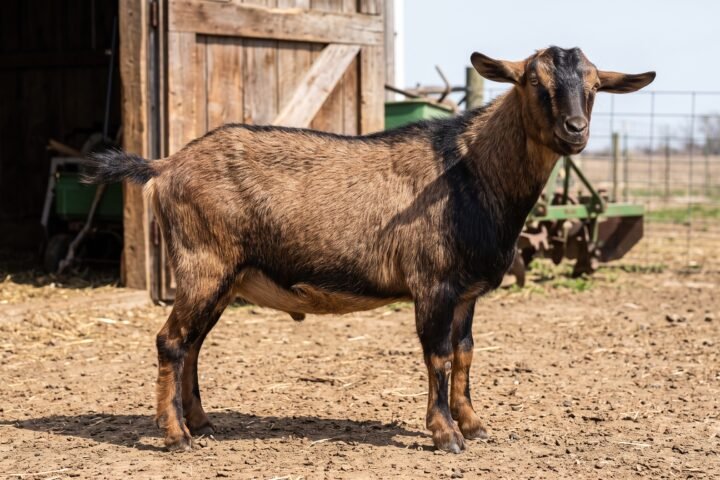
IMAGE ALT TEXT: Nigerian Dwarf goat standing in pasture
Breed Origin and History
These goats trace their roots to small family farms in West Africa. There, similar goats were kept for meat and general homestead use. During the 20th century, they reached zoos in the United States and Europe. At first, many were kept as exotic animals and pets.
Later, American breeders started recognizing their real dairy potential. Breeders then selected animals more carefully for milk production. This work helped shape the dairy breed we know today. The American Dairy Goat Association formally recognized the breed during the 1980s.
Adult Size and Growth Stages
Adult size is fairly predictable in the Nigerian Dwarf Goat. We find that useful when planning shelter, fencing, and feeding space. Buyers can also get a reasonable idea of mature size before purchasing a young animal.
Breed registries have established adult size ranges within the breed standard. These measurements matter when buying registered or show-quality stock. However, they are also useful for anyone wanting a correctly sized animal.
Adult Size Range
Height is measured at the withers once the animal is fully grown. Full maturity usually comes around two years of age.
- Does typically stand 17 to 19 inches at the withers.
- Bucks generally stand around 19 to 21 inches at the withers.
- Mature weight usually falls between 40 and 75 pounds.
- Weight can vary depending on sex and genetic line.
Some variation is normal, so we always suggest checking the parents too. Documented parent height is especially useful when buying registered or show-quality animals. It gives you another clue about the kid’s likely adult size.
Growth From Birth to Adulthood
A kid typically weighs around 2 to 4 pounds at birth. Growth happens quickly through the first year. Most animals approach their full adult size by about 18 months. However, complete maturity usually comes closer to two years.
Coat Colors and Markings
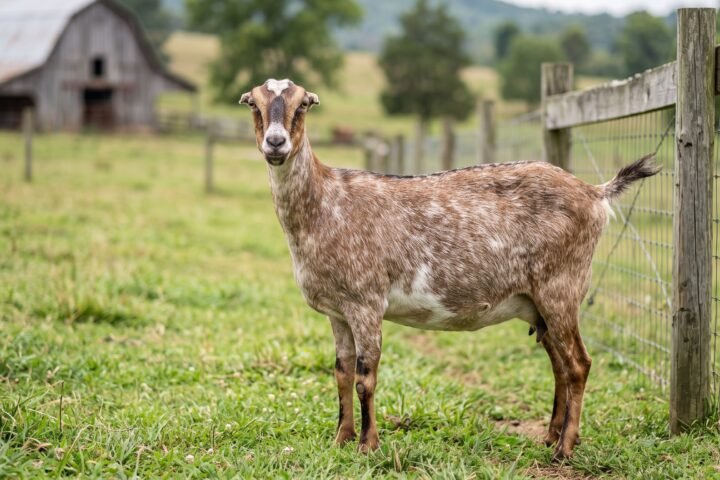
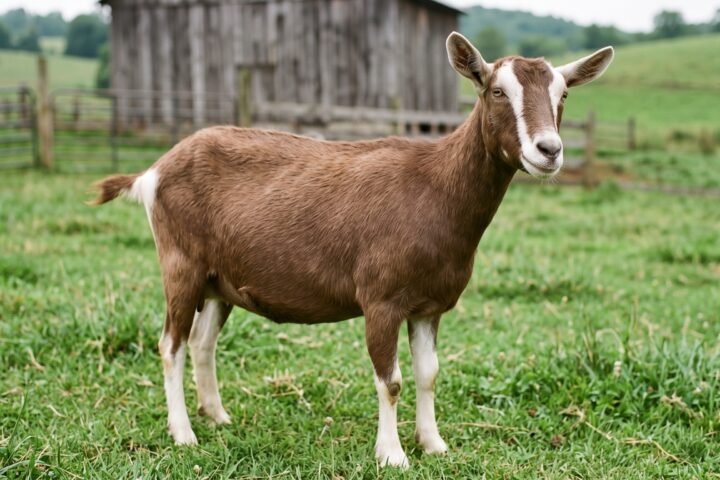
Coloring is one of the most varied features of this small dairy breed. Buyers often notice it first when looking through listings. Nearly any color or pattern can appear within accepted breed standards. That is unusual compared with many recognized dairy breeds.
We often see noticeable differences even among kids from the same kidding. However, color should not become more important than health or breeding quality. A flashy pattern can look attractive without telling you much about the animal’s background.
Common Patterns
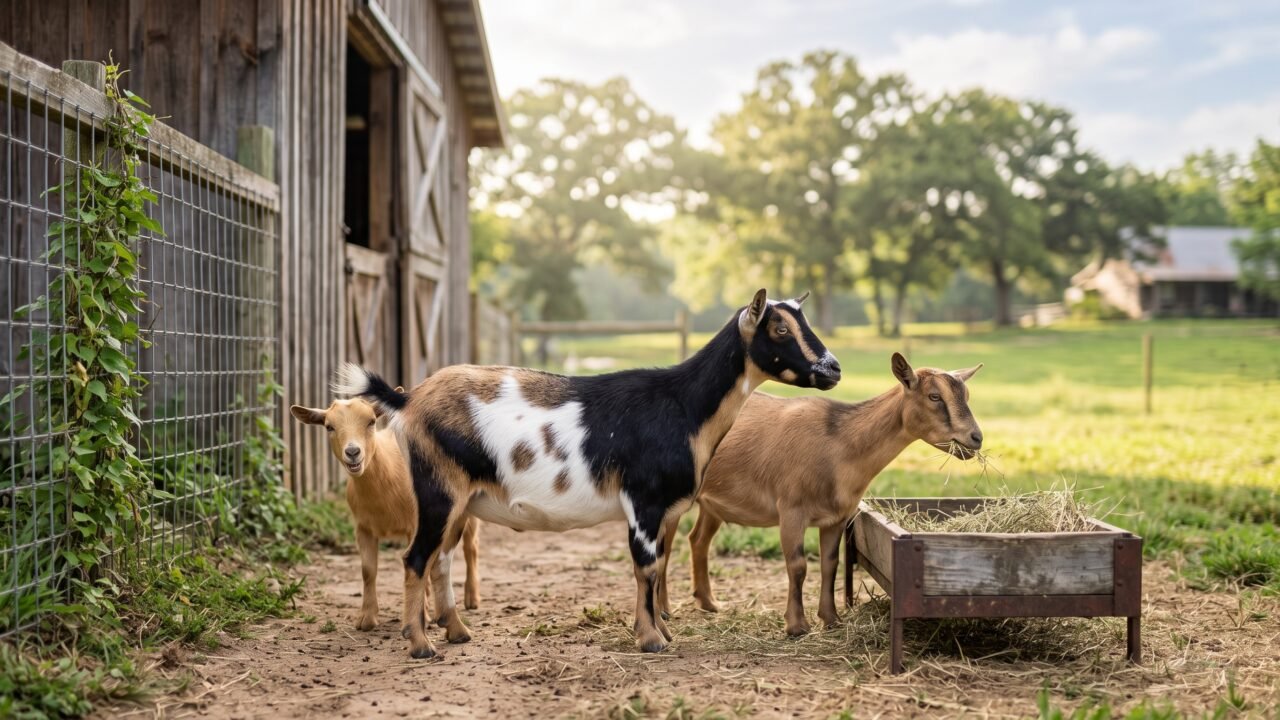
Coats can be black, white, chocolate, gold, or combinations of these colors. Broken coats, spotting, and roan patterns are also common. You may also notice different markings around the face and legs.
Coat length generally stays short, which makes routine grooming fairly easy. That is helpful compared with many longer-coated breeds. Coat color almost never disqualifies an otherwise well-bred animal from registration.
Dairy Use and Milk Production
This is where the Nigerian Dwarf Goat really earns its dairy reputation. Its smaller body does not stop it from producing useful household milk. That makes the breed attractive for families without space for larger dairy goats.
We also find that butterfat is what really separates this breed from many others. The milk is noticeably rich and works well for several household uses.
Butterfat Content
Milk from this breed commonly contains around 6 to 9 percent butterfat. That is higher than the level found in many standard dairy breeds. This richness makes the milk especially useful for cheese-making and soap-making.
Many owners choose these small dairy goats mainly because of that butterfat level. For a family farm, rich milk can sometimes matter more than very high volume.
Typical Milk Production
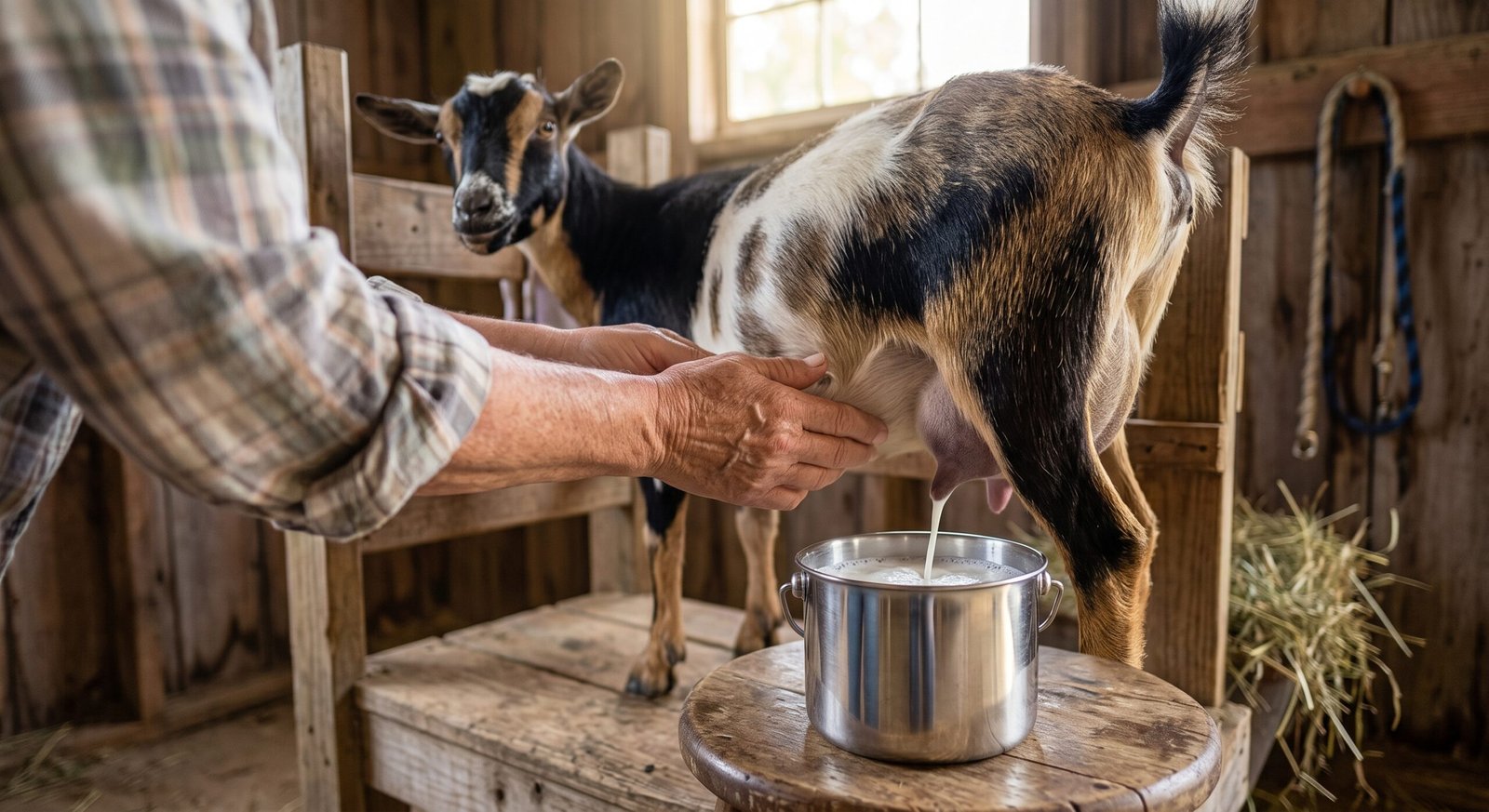
A healthy doe averages one to two quarts of milk daily at peak lactation. Some high-producing does can produce more than that. However, actual output depends on nutrition and the doe’s lactation stage.
Genetics also affect production, so one day’s milking tells you very little. When dairy performance matters, we prefer looking at documented production history.
Behavior and Personality
The Nigerian Dwarf Goat attracts many new owners because of its social nature. Its smaller size also makes daily handling easier than with many larger breeds. We have found that regular handling helps these goats become comfortable around people.
Every goat still has its own personality. However, this breed is generally known for being curious, social, and manageable.
A Curious and People-Friendly Breed
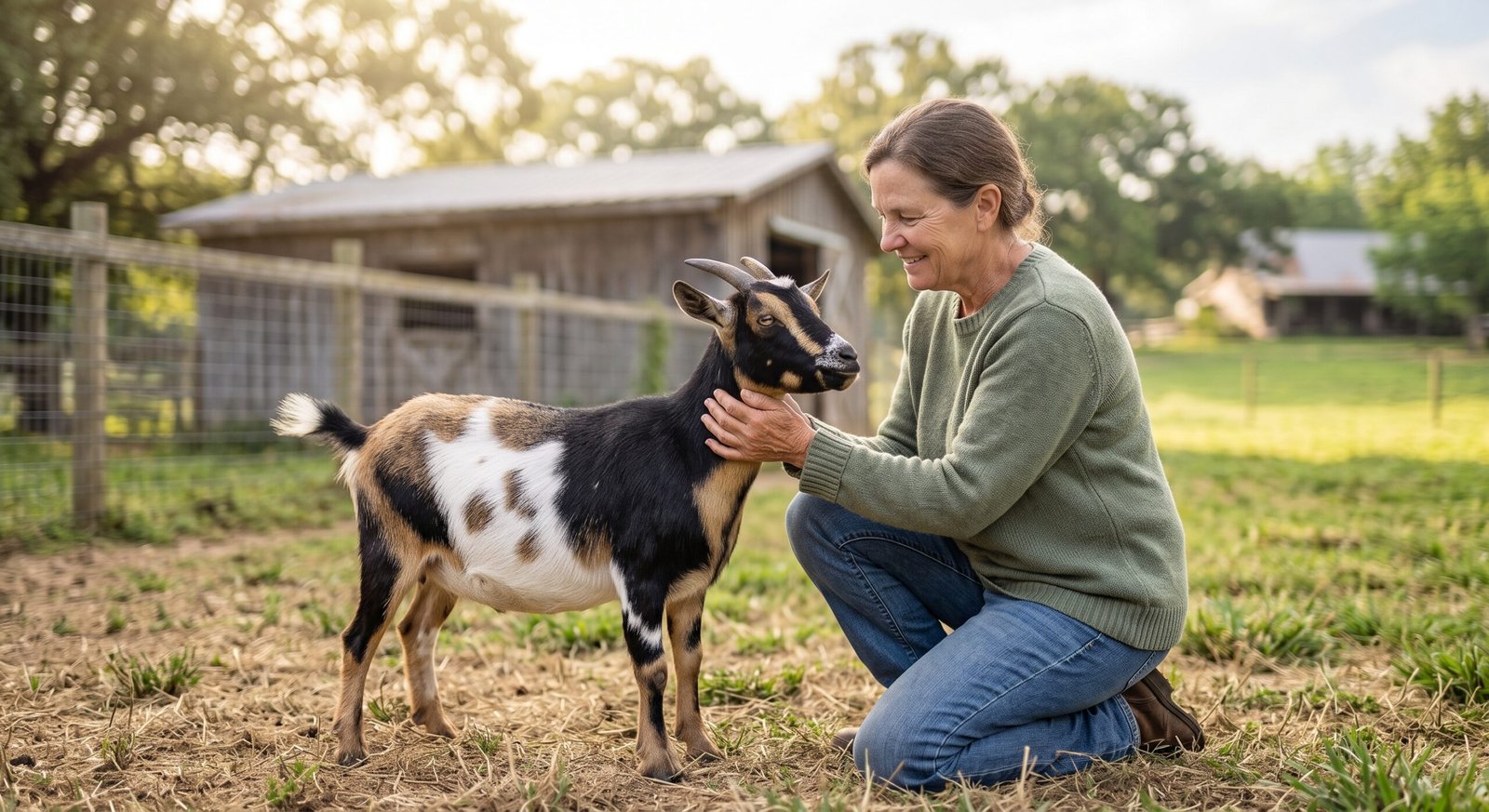
These goats often become relaxed and friendly when people handle them regularly. They are naturally curious and usually very interested in food. That interest can make basic training and routine handling much easier.
On our farm, consistency makes a noticeable difference. A goat that knows its feeding routine is usually easier to manage. Gentle handling from a young age also helps build that trust.
Social Behavior and Herd Needs
Goats are strongly herd-oriented animals and should not live alone. A single goat can become noticeably stressed without suitable companionship. We sometimes see more calling or restless behavior when a goat feels isolated.
For that reason, new owners should plan on keeping at least two. Companionship is a basic need for goats, not simply an optional extra.
Land, Diet, and Daily Care
A smaller body means lower land and feed needs than standard dairy breeds. That makes the Nigerian Dwarf Goat useful for many smaller properties. Still, these goats need proper space, nutrition, fencing, and routine health care.
We have found that simple daily routines work best when followed consistently. Good management now can prevent many avoidable problems later.
Space Requirements
Many owners maintain a small herd on a quarter acre or less. However, pasture quality plays a big part in what is realistic. Supplemental feeding and herd size also affect how much land you need.
Fencing needs special attention because these goats are persistent climbers and escape artists. We recommend checking fences and gates regularly. A small weak spot can quickly become their favorite escape route.
Feeding Requirements
Feeding is usually manageable because of the breed’s smaller body size. However, milking does need additional nutrition to support regular production.
- Hay and well-maintained pasture should form the main part of the diet.
- Milking does require regular supplemental grain to support milk production.
- A goat-specific mineral supplement helps cover gaps that forage may leave.
- Fresh water should remain available at all times, especially for lactating does.
Baseline appetite is lower than in many standard-sized dairy goats. This can help keep normal feed costs down. However, an active milker needs more food than a non-milking animal. We see this difference clearly when does move into heavier production.
Routine Health Care
Preventive health care stays important regardless of the animal’s small size. Annual checkups, core vaccinations, parasite control, and regular hoof trimming all matter. Hooves generally need attention every six to eight weeks.
We prefer checking hooves regularly instead of waiting for obvious overgrowth. This makes trimming easier and helps us notice problems sooner. Consistent routine care can keep many goats healthy well into later life.
Lifespan and General Health
This dwarf dairy breed is generally considered hardy and long-lived. That is useful when choosing an animal for a family farm. A longer lifespan gives owners many years with the same herd animal.
Still, genetics are only one part of long-term health. Nutrition, parasite management, hoof care, and veterinary attention also matter. In our experience, small routine jobs make a big difference over time.
How Long They Typically Live
With good routine care, most animals live around 12 to 15 years. Some can live 15 years or longer with strong care. Good nutrition and regular veterinary attention help support a healthy lifespan.
Consistent hoof and parasite management matter as well. So, buying a goat should be viewed as a long-term commitment.
Considerations for Cost
Cost is one of the first things buyers ask us about. There is no single fixed price for this breed. Age, sex, registration, bloodline, and documentation can all change the final amount.
Registered animals with verified parentage usually cost more than unregistered goats. That documentation has real value if you plan to breed or show. Even family-milker buyers can benefit from understanding the animal’s background.
Expected Price Range
Unregistered kids and wethers typically sell for around $150 to $350. Registered bucks or does with strong bloodlines generally cost $400 to $800. Exceptional show or production-quality animals can sometimes sell for more.
We would not choose an animal based on the lowest price alone. A cheaper goat can become expensive if hidden health problems appear later.
Primary Cost Factors
- Registration status and documented parentage are major price factors.
- A doe’s milk production history can significantly affect her value.
- Strong or proven bloodlines can also increase the asking price.
- Popular markings, including blue eyes or flashy patterns, may affect value.
- Local demand and the breeder’s reputation can change prices too.
Appearance can influence price, but it should never replace health records. We prefer useful documentation over choosing an animal only because of color.
Buying Tips and Where to Look
The Nigerian Dwarf Goat is popular, so buyers usually find many listings. However, high demand also means you need to research sellers carefully. Some listings show attractive photos but provide very little useful history.
Many sellers do not automatically provide health records or registration paperwork. So, knowing what to ask beforehand can save trouble later. We find that careful research usually leads to a better-suited animal.
What to Ask a Breeder
A few direct questions can tell you much more than listing photos. We usually start with parent information when adult size or breeding quality matters.
- Ask for the recorded height and weight of both parent animals.
- Request registration papers if the animal is advertised as purebred.
- Ask about milk production history when buying for dairy use.
- Request vaccination history and information about known health issues.
- Visit the breeder and see the animal personally whenever possible.
An in-person visit can show things photographs cannot. You can watch how the goat moves and behaves. You can also look at body condition and the breeder’s overall setup.
Things to Watch Out For
Be cautious when a listing offers an unusually low price. That does not always mean something is wrong. However, it should make you ask more questions.
We would also be careful with sellers refusing to provide parent measurements. Registration claims should be verifiable when an animal is advertised as registered. A seller with no useful history deserves closer checking.
Good breeders generally know their animals and answer reasonable questions clearly. Complete answers do not guarantee perfection, but they help you make a safer choice.
Frequently Asked Questions
How much does it cost?
Unregistered kids and wethers generally cost around $150 to $350. Registered bucks or does usually cost about $400 to $800. Show or production-quality animals can bring a higher price.
How big does it get?
Does average around 17 to 19 inches at the withers. Bucks generally reach 19 to 21 inches. Adult weight usually falls between 40 and 75 pounds.
How much milk does it produce?
A healthy doe averages one to two quarts daily at peak lactation. High-producing animals may produce more. The milk is also known for its high butterfat content.
What is its average lifespan?
Most animals live around 12 to 15 years with proper care. Some can live longer. Diet, genetics, hoof care, and parasite management all affect long-term health.
Are they good for beginners?
Yes, their manageable size makes handling easier for many new goat owners. Their friendly temperament also helps. Feed and space needs are lower than many larger dairy breeds.
Do they need a companion?
Yes, all goats need companionship because they are herd animals. A single goat can become stressed when kept alone. We recommend keeping at least two together.
Conclusion
The Nigerian Dwarf Goat is a genuine space saver for anyone wanting dairy animals. Its smaller size makes everyday handling easier on many family farms. Yet, it still produces rich milk with a high butterfat content. That rich milk works well for normal household use, cheese-making, and other dairy projects. The breed is also generally friendly and manageable with regular handling. These qualities explain why we see so much interest from smaller farms and families.
However, we recommend looking beyond size and attractive coat patterns when buying. Health records, parentage, adult measurements, and dairy history can tell you much more. A trustworthy breeder should also be willing to discuss those details openly. From our farm experience, preparation makes ownership much easier later. Good fencing prevents escape problems, while balanced feeding supports healthy growth and milk production. Regular hoof care and health checks also prevent many avoidable issues.
We understand what it takes to find documented breeding lines of this breed. We have built working relationships with trusted breeders as well. That experience helps us look beyond attractive listings and focus on healthier animals.We can help you choose a healthy dairy goat that suits your farm. Reach out, and we’ll help you find the right one.