Proven Toggenburg Goat Heritage Dairy Traits and Care Needs
At our farm, the Toggenburg goat comes up often when people want a proven dairy breed. And honestly, it’s easy to see why. This is one of the oldest recognized dairy goat breeds in the world. Its brown coat and white facial stripes also make it easy to recognize.
This guide covers where the breed comes from, what size to expect, and its coat pattern. We’ll also look at milk production, temperament, cost, and daily care. There is one climate concern that deserves extra attention, too. We’ve found that it matters more than many buyers expect.
By the end, you’ll know what you’re looking at when you see a listing. You’ll also know whether the markings look right for the breed. Most importantly, you’ll have a better idea of whether your local climate is a good fit.
A Breed With More History Than Most
The Toggenburg goat originated in the Toggenburg Valley of St. Gallen, Switzerland. It holds the distinction of being the first goat breed recorded in an official dairy herd book. It was also the first purebred dairy goat breed imported into the United States. That happened in 1893, and the American Dairy Goat Association recognized it in 1921. Very few livestock breeds have such a long and well-documented history.
That history matters for more than just bragging rights. The breed has been selected for dairy traits over many generations. As a result, its temperament and milk production tend to be fairly predictable. That consistency is one reason experienced breeders still value this dairy breed so highly.
How the Breed Took Shape
Local goats in the Toggenburg region originally had shaggy, dark coats. Some also had white patches. During the 19th century, breeders began selecting for more consistent colors and markings. They also crossed local animals with neighboring Swiss goats. Continued selection through the 20th century helped create the look we know today.
Getting a Sense of Adult Size
Size tends to stay fairly consistent in this breed. That’s partly because breeders have worked with a defined standard for more than a century. For us, that consistency makes planning housing and fencing much easier. You’re less likely to end up with an animal far outside the expected range. That can be a bigger concern with less standardized breeds or crosses.
Adult Size Range
Height is measured at the withers once an animal reaches full maturity. That is generally around two years of age.
- Does typically stand 26 to 28 inches at the withers and weigh between 120 and 140 pounds.
- Bucks are larger, generally weighing 150 to 200 pounds depending on the individual line.
- Both sexes have a graceful but sturdy build that reflects their long dairy background.
The Coat Pattern That Actually Defines a True Toggenburg
This is where many guides become too general. They simply describe the breed as brown with white markings. However, the actual standard is much more specific than that. Knowing those details can help when you’re paying for a purebred animal. At a quick glance, another goat can look surprisingly similar.
The Official Color Standard
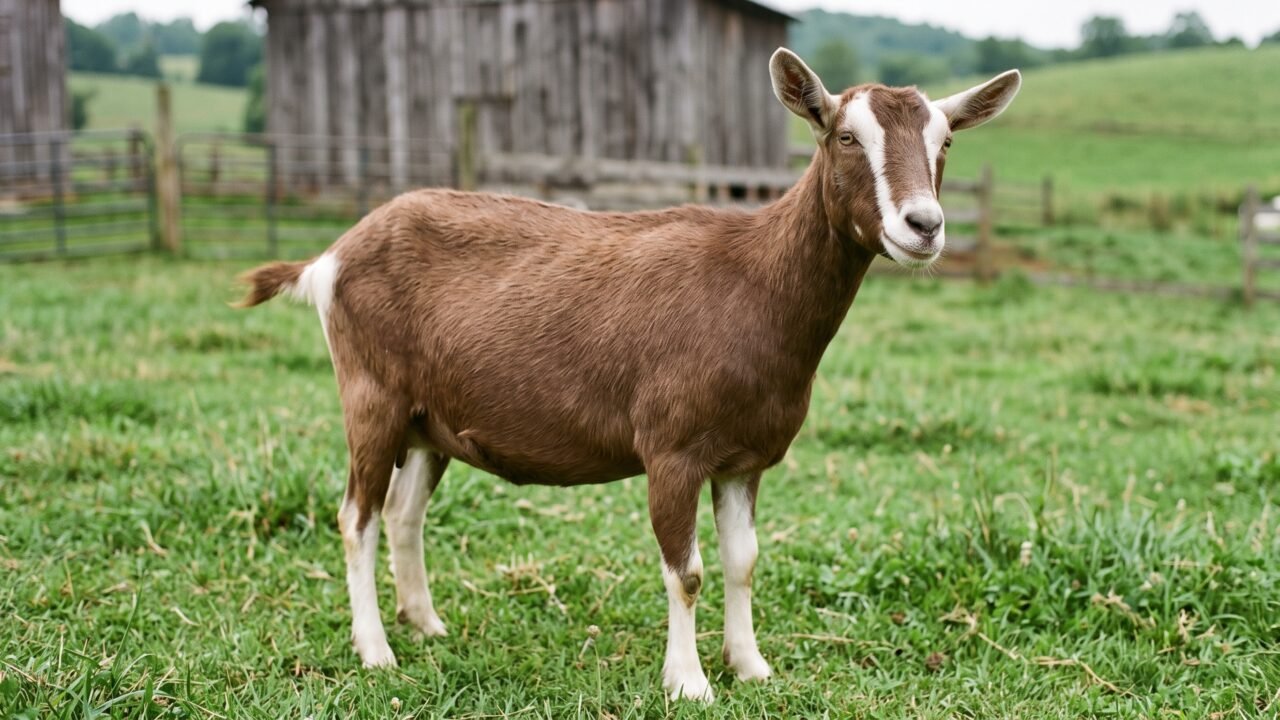
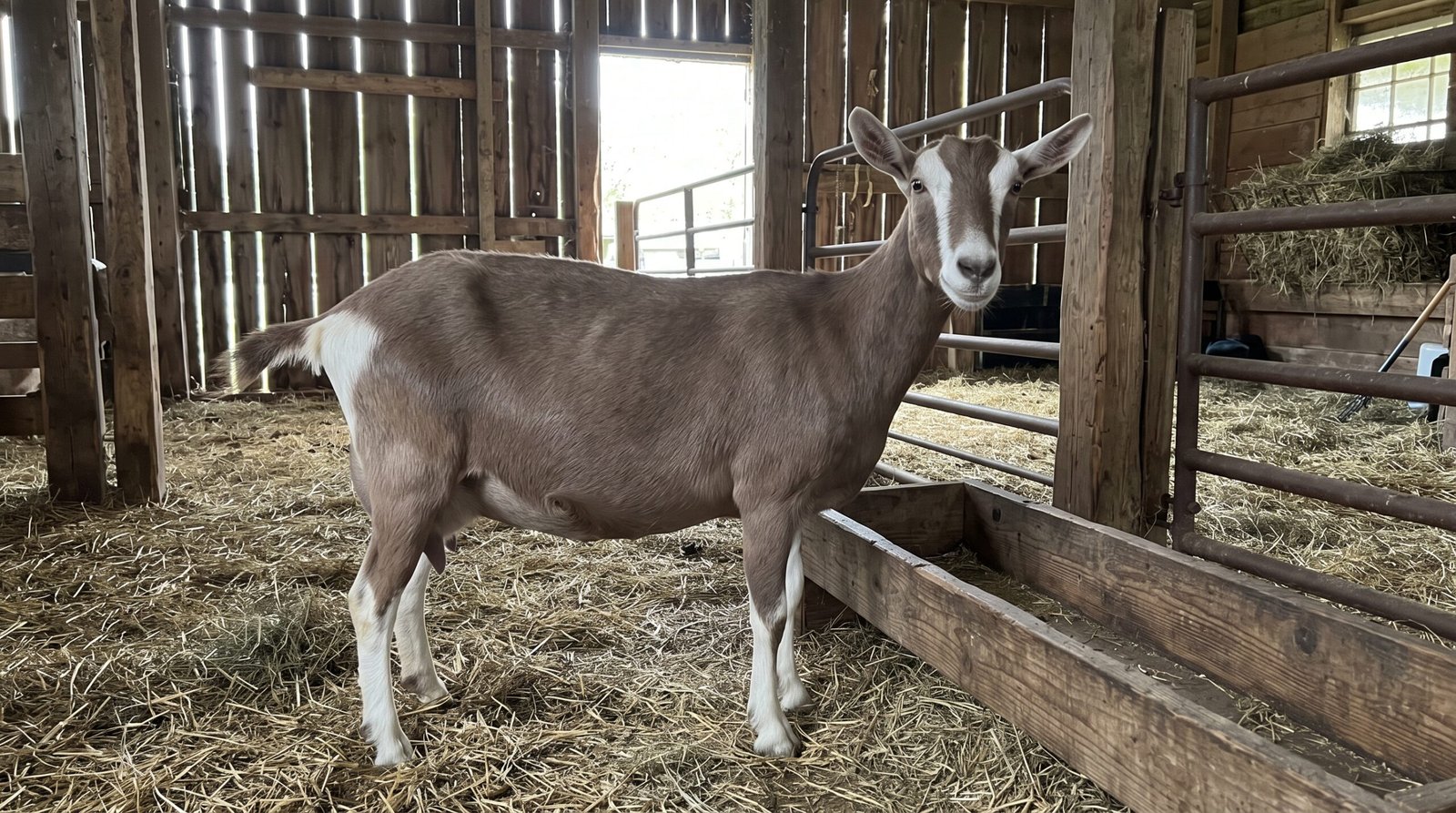
A properly marked Toggenburg has a coat ranging from light fawn to dark chocolate brown. It should also have a specific set of white markings. These include two white stripes running down the face. The stripes start above each eye and continue toward the muzzle.
White markings should also appear on the lower legs. There should be a white triangle on either side of the tail. The ears are often white or light colored as well. A dark spot may appear in the center of each ear. Some animals also have small fleshy wattles near the neck. However, wattles aren’t required by the breed standard.
Why This Matters When Buying
Because the coat pattern is so specific, it can help when checking listings. You can often spot obvious differences before speaking with the breeder. An animal without the facial stripes deserves a closer look. The same goes for one with a solid coat and no white markings. That doesn’t automatically prove mixed parentage, but it is worth asking questions.
What Sets the Milk Apart From Other Breeds
This breed has a real place of its own in dairy production. Its milk is different from the richer, higher-butterfat milk associated with breeds like the Nubian. That difference is worth understanding before you buy. Not every dairy goat produces milk that behaves the same way in the kitchen.
Typical Milk Yield
A healthy doe commonly produces 1.5 to 2 gallons of milk per day. A full lactation can total around 2,200 pounds of milk. Well-managed does can sometimes produce more than that. Of course, actual production depends on the individual animal and how it is managed.
Milk Quality and Butterfat
Milk from this breed typically has around 3.7 percent butterfat. That’s lower than the richer milk produced by breeds like the Nubian or Nigerian Dwarf. But lower butterfat isn’t necessarily a disadvantage.
The milk tends to be mild, creamy, and slightly sweet. For that reason, it works particularly well for drinking milk and soft cheeses. It’s less focused on the heavy richness some owners want for butter production.
The Climate Consideration Most Guides Skip
You’ll often read that Toggenburgs can adapt to almost any climate. That isn’t completely wrong, but it leaves out an important detail. Buyers in warmer regions need to think about heat before committing to this breed.
Why This Breed Prefers Cooler Weather
These goats originated in a cool alpine valley. They naturally do better in cooler conditions. That doesn’t mean you can’t keep them in a warm region. It simply means you’ll need to plan the setup more carefully.
Shade, good airflow, and heat-stress prevention all become important. We’ve found that new owners sometimes underestimate just how much these things matter.
Practical Steps for Warmer Climates
If you live somewhere hot, start with plenty of shade. The shelter should also have strong airflow. Fresh, cool water needs to be available throughout the summer.
Keep an eye out for early signs of heat stress. Excessive panting and reduced feed intake are two things to watch closely. A heat-tolerant breed may handle these conditions more easily. This breed needs a little more attention when temperatures climb.
What This Breed Is Actually Like Day to Day
On the farm, we’ve found these animals to be gentle and curious. They’re also fairly easy to manage. That makes them a good option for people who are keeping dairy goats for the first time. Their temperament is one of the reasons the breed continues to attract new owners.
A Calm, Beginner Friendly Breed
Toggenburgs tend to be alert, intelligent, and social. They can call out during feeding or when they want attention. However, they don’t have the same reputation for constant loud vocalizing as some other dairy breeds. That can make daily life a little easier for owners who prefer a quieter herd.
Social Behavior and Herd Needs
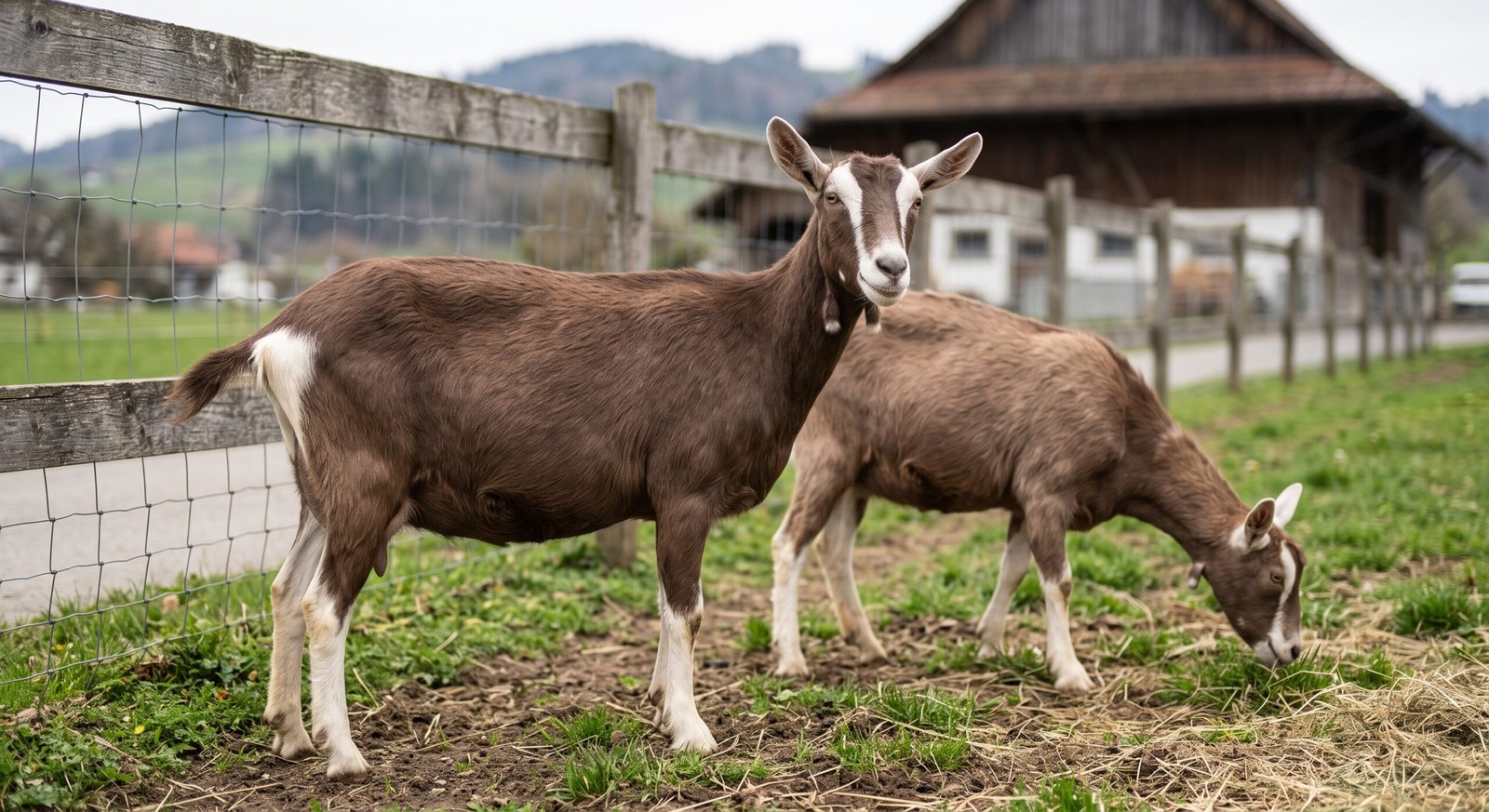
Goats are strongly herd-oriented animals. They should not be kept alone as solitary pets. A goat left by itself can become noticeably stressed. For that reason, plan on bringing home at least two from the beginning.
Setting Up Space, Feed, and Routine Care
Daily care is similar to what you’d provide for other medium to large dairy goats. However, the climate issue mentioned earlier changes how you’ll approach the shelter. This becomes especially important if you live outside the breed’s preferred cooler range.
Space Requirements
Plan on at least 200 square feet of secure paddock space per animal. Pay close attention to shade and airflow in warmer areas. Fencing should be at least 4 feet high.
These goats are curious and reasonably good climbers. They aren’t always as determined to escape as some other breeds. Still, a secure fence saves trouble later.
Feeding Requirements
Diet needs are fairly standard for a medium to large dairy breed.
- Quality pasture and hay should make up most of the daily diet.
- Milking does need supplemental grain to support consistent production.
- A goat-specific mineral supplement helps cover nutritional gaps that forage alone won’t provide.
- Fresh, cool water should always be available, especially during hot weather.
Routine Health Care
Preventive care stays much the same regardless of breed. Annual checkups, core vaccinations, deworming, and regular hoof trimming are all important. Hooves generally need attention every six to eight weeks. With proper care, most animals can remain healthy well into their later years.
What Owners Can Expect Long Term
This breed is generally considered hardy and long-lived for a dairy goat. That can add real value to the cost of ownership over time. Its long history also gives buyers a lot of documented information to work with. For us, that kind of consistency is useful when planning a herd for the long term.
How Long They Typically Live
With good care, Toggenburgs commonly live 10 to 15 years. Some can live longer with good nutrition and regular veterinary attention. Diet plays a role in long-term health. So do genetics, hoof care, and parasite management.
Breaking Down What You’ll Actually Pay
Pricing tends to be fairly predictable compared with newer or less standardized crosses. Still, the animal’s markings and milking history can change the price quite a bit. A young animal without a production record will naturally cost less. A proven doe with a strong milking history can command a much higher price.
Typical Price Range
An unregistered kid or wether commonly costs between $150 and $300. A registered doe with documented milking history usually costs more. Prices often fall around $300 to $600. Exceptional show-quality or high-production animals can sometimes exceed that range.
Key Cost Factors
- Registration status and documented parentage through the American Dairy Goat Association can affect price significantly.
- Coat markings and how closely they match the official breed standard can influence value.
- Milk production history matters a great deal for does, since proven milkers often command a premium.
- Local demand and the breeder’s reputation in your area can affect the final price as well.
Finding a Reputable Breeder
The clearly defined coat pattern gives you something useful to check when shopping. Use that to your advantage when looking through listings. Don’t rely on a seller’s description alone. Photos, records, and a direct conversation can tell you much more.
Questions Worth Asking a Breeder
A few direct questions will tell you more than photos ever will.
- Ask for documented height and weight of both parent animals.
- Request registration papers if the animal is advertised as purebred.
- Ask about milk production history if you’re buying a doe for dairy purposes.
- Ask whether the animal’s coat markings have been checked against the official breed standard.
- Visit in person whenever it’s realistically possible before committing.
Things to Watch Out For
Unusually low prices should make you slow down and ask more questions. The same applies when a seller won’t provide parent measurements or milk records. Photos that don’t clearly show the facial stripes also deserve a closer look. A listing with no verifiable history is another reason to be cautious.
A good breeder should be willing to discuss these details openly. In our experience, sellers who are thorough usually don’t mind reasonable questions.
Frequently Asked Questions
How much does it cost?
Unregistered kids or wethers typically run $150 to $300. Registered does with documented milking history often cost $300 to $600 or more.
How big does it get?
Does typically stand 26 to 28 inches at the withers and weigh 120 to 140 pounds. Bucks are larger and commonly weigh between 150 and 200 pounds.
How much milk does it produce?
A healthy doe commonly produces 1.5 to 2 gallons per day. A full lactation can total around 2,200 pounds of milk. The milk has lower butterfat than richer dairy breeds.
Do they need a cooler climate?
They prefer cooler conditions and can struggle in intense heat. Good shade, ventilation, and plenty of cool water can help in warmer areas. With the right setup, they can still be kept successfully in warmer regions.
What is the average lifespan?
With proper care, this breed commonly lives 10 to 15 years. Some animals live longer with strong nutrition and consistent veterinary care.
Do they need a companion?
Yes, always. A goat left alone can become noticeably stressed. Keeping at least two together gives them the companionship they naturally need.
Conclusion
The Toggenburg goat combines a long dairy history with a gentle and beginner-friendly temperament. Its coat markings also give it a look that’s easy to recognize once you know what to check. The mild, creamy milk is another useful quality, especially for drinking and soft cheeses.
The main point we would not overlook is climate. This breed comes from a cooler alpine environment and does better in those conditions. If you live somewhere hot, plan your shade, airflow, and water setup carefully.
If you’re looking for a healthy, well-documented Toggenburg goat for your own property, we work directly with verified breeders. We can help you find the right animal for your setup. Reach out to us, and we’ll walk you through your options from start to finish.